
It's not important how things are. It's important how you see things.
A piece of advice that evolved with me over the years

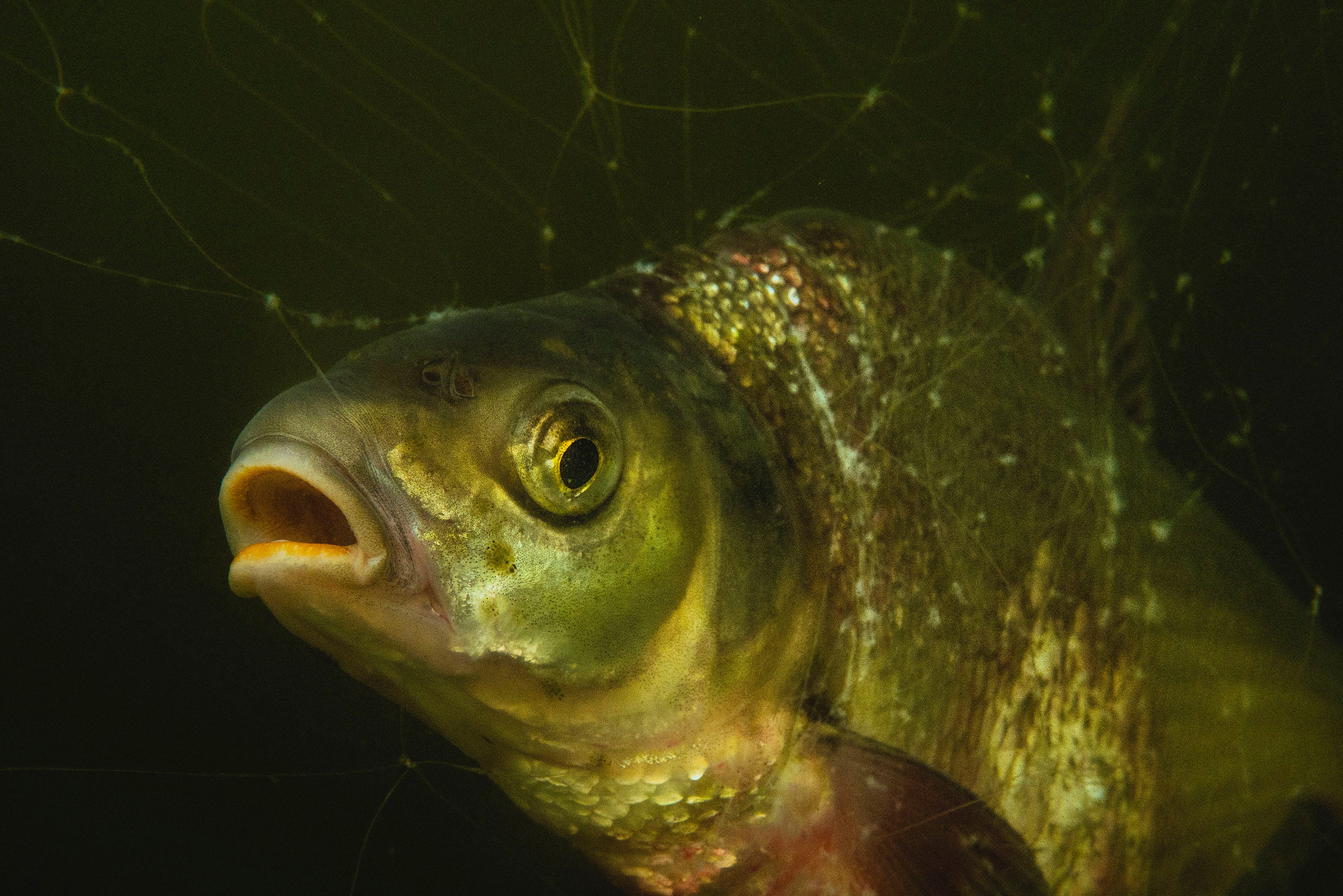
When you go out to make photos, what’s actually going on in your head?Not in a technical sense, but mentally.
Are you reacting instinctively? Are you looking for angles? Are you, without really noticing it, chasing a photograph you’ve seen somewhere else?
The answer to that question reveals more than you think.
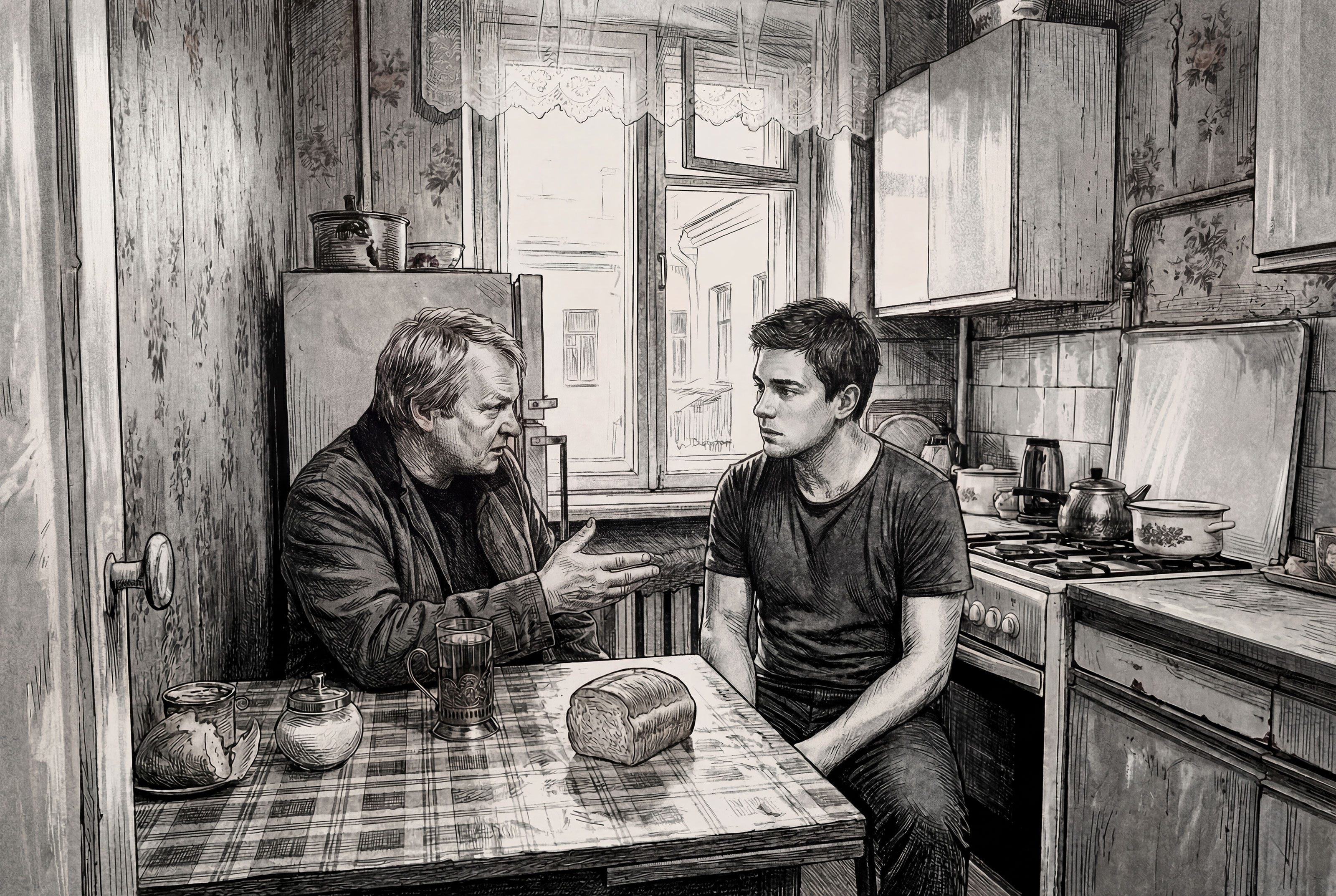
In my early twenties, I was given a piece of advice…
It changed how I worked. It came from a documentary filmmaker I deeply admired, someone whose work felt honest in a way I couldn’t quite articulate yet, but knew I wanted to understand.
He said:
It’s not important how things are. It’s important how you see things.
At the time, I was convinced I understood it.
Years later, I realized there was more to it.
And later again, I understood how deep and nuanced that simple phrase was.
The advice didn’t change. I did.
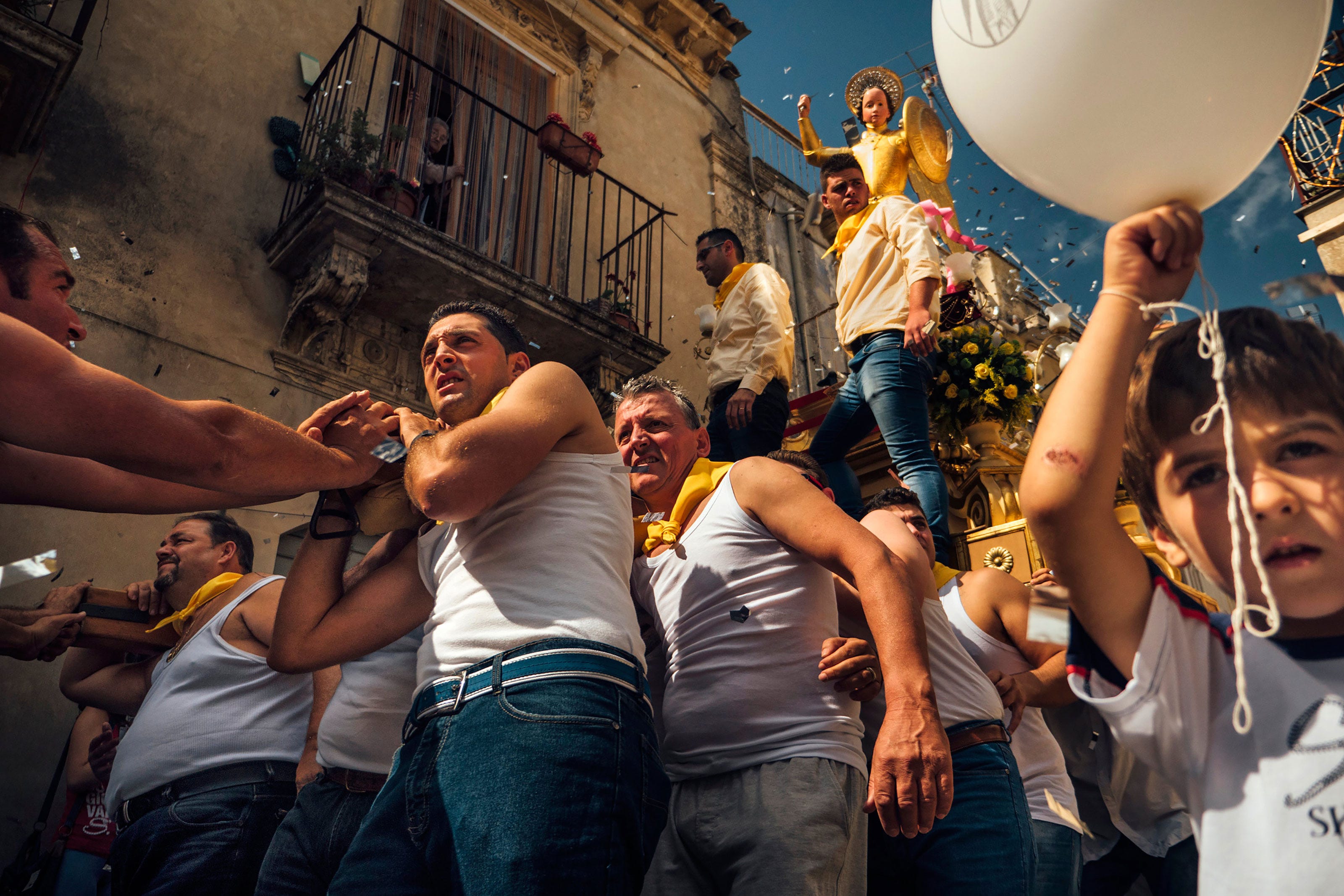
When I first heard it, I took it in the most literal way possible.
I thought it meant I had to see things differently from everyone else. I thought it was about finding unusual angles, making things look new, being original.
So I did what a lot of young photographers do.
I chased difference. I treated originality like a skill you could practice. I tried to make myself see things a certain way.
And at the time, that version of the advice worked. Because perspective, framing, trying to see things in a different way matters.
But I was missing the deeper part of that advice.
Years went by. Countless photos made.
More travel and life experiences than I ever imagined. These inevitably changed how I saw things. The advice stayed with me, yet it morphed into something I couldn’t quite put my finger on.
But, as I started to read about my favorite photographers, as I watched interviews with them, another idea started to emerge.
To make interesting photographs, you have to be curious and you have to make yourself interesting.
Not skilled. Not original.
Curious and interesting.
The last part doesn’t come from endlessly consuming. Not from sitting at home watching films. Not even from reading books.
It comes from experience. From contact with real people. From friction. From life shaping you.
That idea made everything clearer.
The advice I’d been given years earlier — it’s not important how things are, it’s important how you see things — suddenly made sense on a different level.
It reaches that level if how you see things is interesting. If you have something to say. If you’ve been shaped by something real.
Your vision isn’t interesting because you try to make it different.
It’s interesting because you are different, shaped by insatiable curiosity, time, mistakes, contradictions, and the experiences that actually taught you something.
Over time, as I matured and gained life experience, my view of the world became more nuanced, more layered.
And without trying to be original at all, I developed my own perspective.
But here’s the part that’s easy to misunderstand. I certainly did, until not long ago.
You don’t need extreme experiences for this to happen. You don’t need dramatic stories. Most of us already have these throughout life (unless we’re totally sheltered).
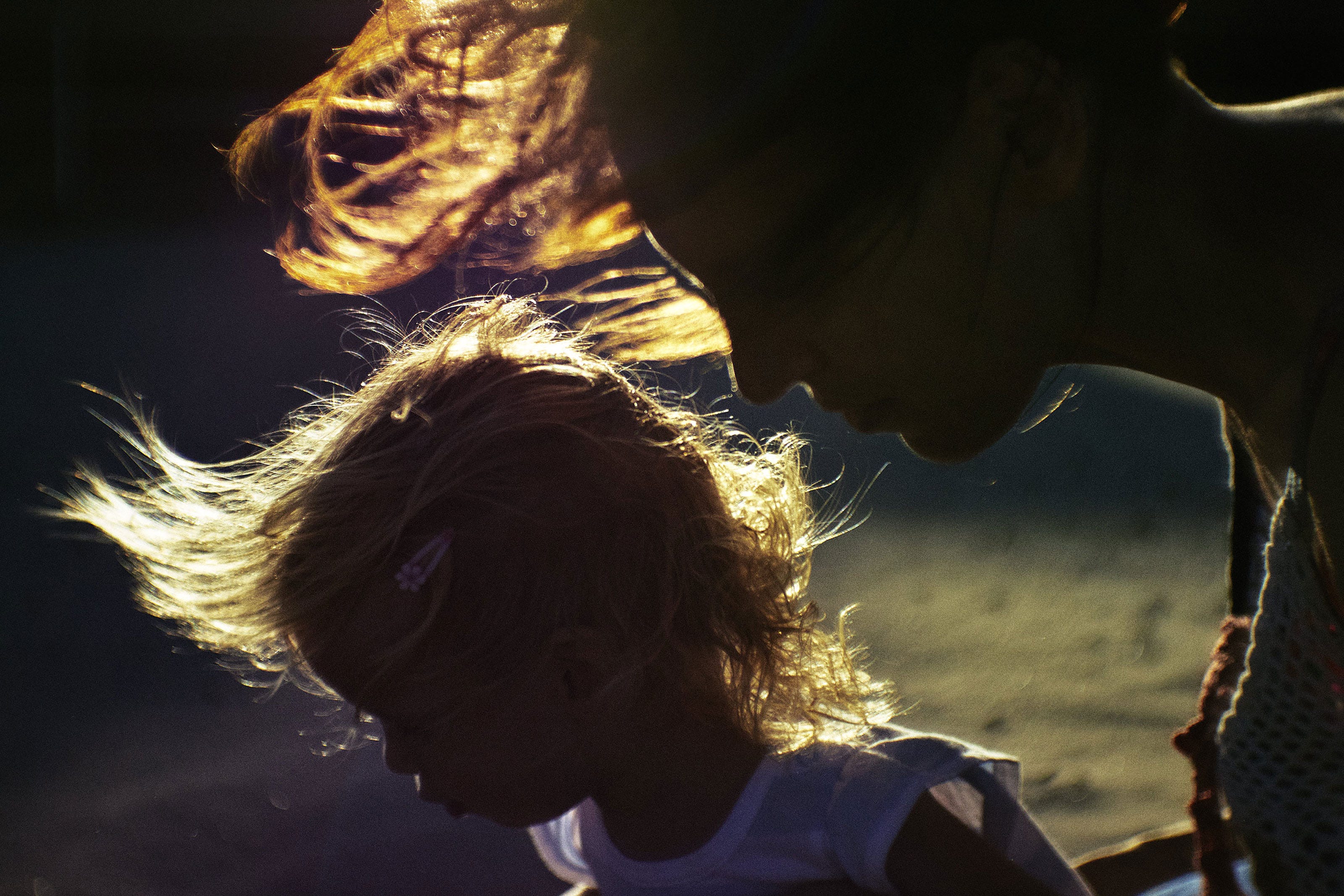
You simply need to recognize them.
Recognize them in your town, your neighbourhood, in your everyday life. And in recognizing them, you start to recognize your own voice, how you genuinely respond to the world, and allow that to surface honestly.
Recognizing your own voice is incredibly difficult when you’re younger.
In most cases you still lack the experience and perspective. You want to prove things. You want to show how clever and original you are.
And that’s fine too, for some time. It’s part of the process.
But you’re not showing how you see things. You’re showing how you want it to look like you see things.
I love the idea of making yourself more interesting.
And as I said, you don’t need to travel far. But you do need to be curious. You do need to live life, to have experiences.
If it’s not traveling and getting to know different cultures, it might be traveling through people in your city. Interacting. Volunteering. Working different jobs. Getting out of your comfort zone.
And if you are traveling, it won’t automatically make you interesting either.
Try to connect with the places you visit. Stay longer. Talk to locals. Take that extra step to get off the beaten track.
The deeper you experience life, the deeper and more interesting your images will be.
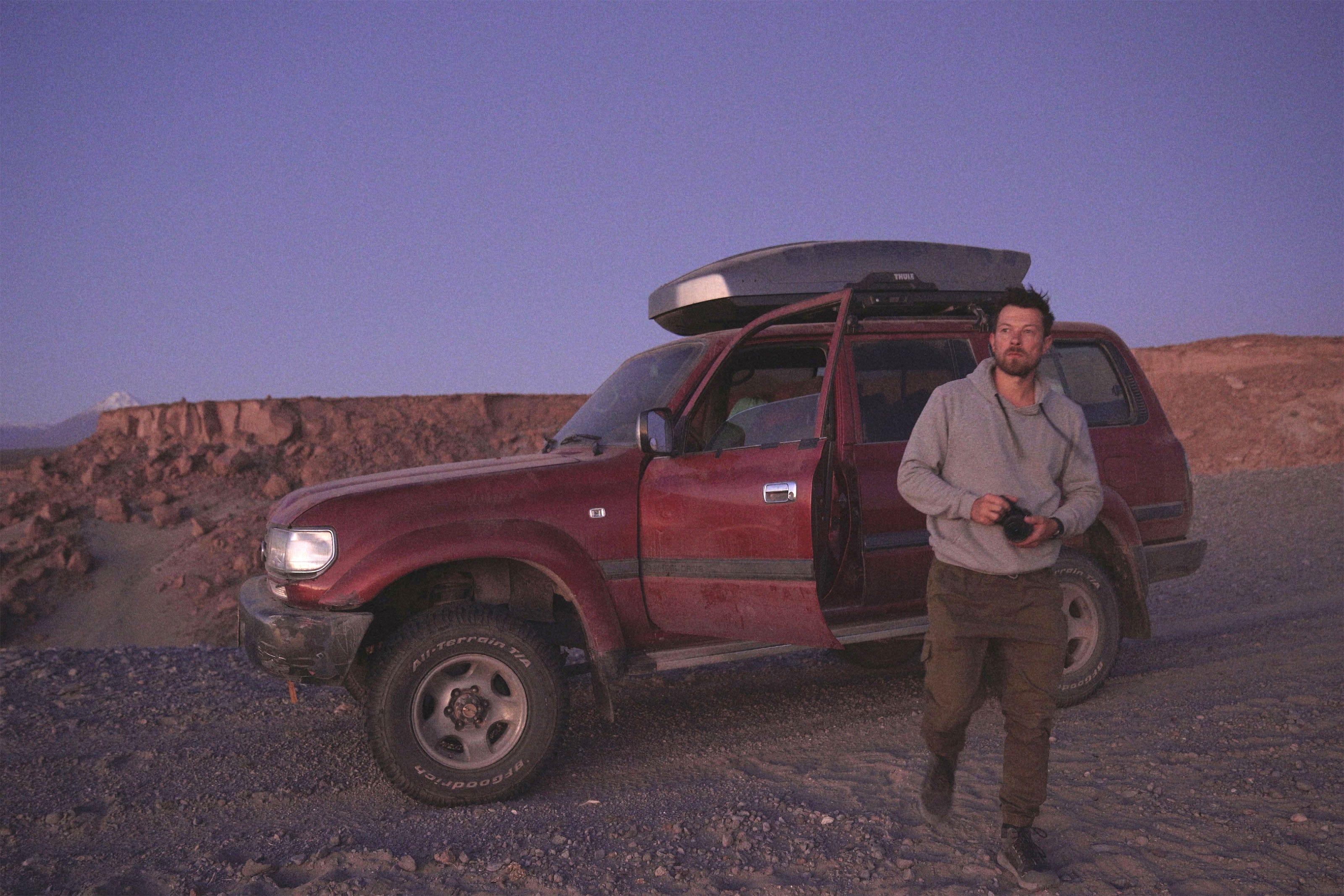
The ironic thing for me is that photography has helped me experience life more intensely. They’ve kind of fed into each other.
If you’ve followed my writing or videos for even a brief while, you know that I look at photography through the prism of Visual Cues. Elements in the frame that allude to more than what they literally are. This way of looking at photography can be really powerful for visually communicating a sense of story, mood, atmosphere… everything.
So in practical terms, making yourself more interesting helps you see visual cues where others don’t.
Make the connections. See stories. Become more sensitive.
That’s what I wanted to share today. A simple, yet nuanced piece of advice that shaped how I approach photography.
I hope you take something from it too.
A quick heads up
My Visual Cues program, which I base my entire photographic approach on is going up in price in the new year because I’m adding a new feature. Everyone who gets it before the increase receives the new feature at the current price.
Great article. In wanting to progress in my photography, achieve greater enjoyment in doing it, this emphasis on connection, curiosity, interest, personal attraction really feels the way to go. So, really appreciate your article Mitchell. Thanks very much.
PS … Just completed your “Natural Light” course (Photzy) and found it very helpful.