
The second time is better
Why going back leads to stronger photographs

There’s something I’ve noticed over the years, and it has proven itself to me again and again.
When you return to the same place a second time, you almost always make stronger photographs.
That is, assuming the place hasn’t changed and the light hasn’t betrayed you.
A year ago, I went to Pernambuco to photograph carnival. I ended up with images I’m still proud of. But that first year, I was reacting. Adapting. Guessing. Following instinct.
And instinct is good.
But instinct without familiarity is often inefficient.
I didn’t really know where things would unfold. I was following my eye for dramatic light, but I didn’t yet understand the rhythm of the event. I didn’t know which parts were chaos and which parts had genuine potential. I didn’t know where the quieter, more meaningful moments would emerge.
This year was different.
I wasn’t guessing anymore.
I started again with Cambinda Brasileira, at the headquarters of one of the oldest Maracatu nations in Pernambuco. But this time, I was more successful at avoiding the crowd of photographers.
Because I remembered.
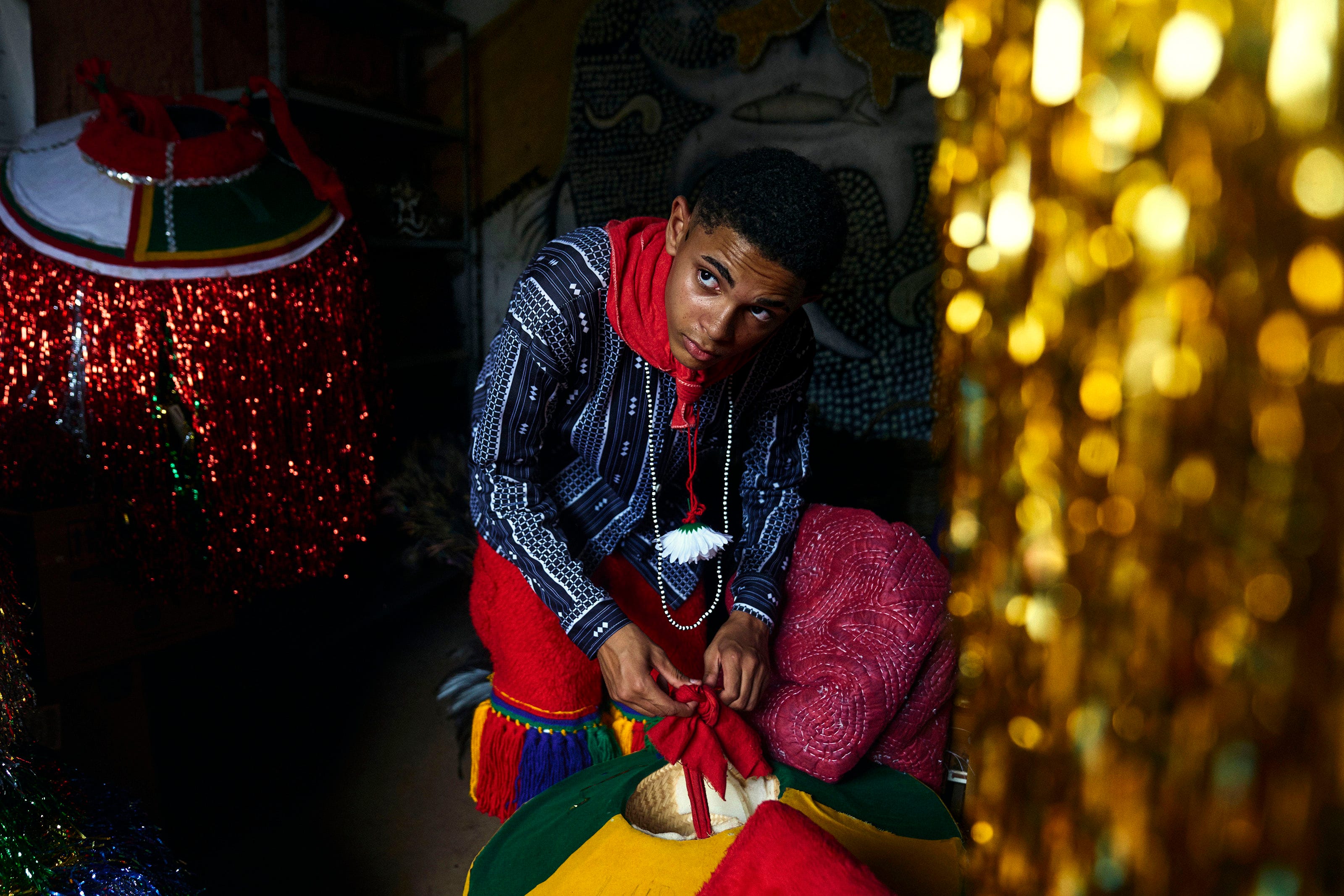
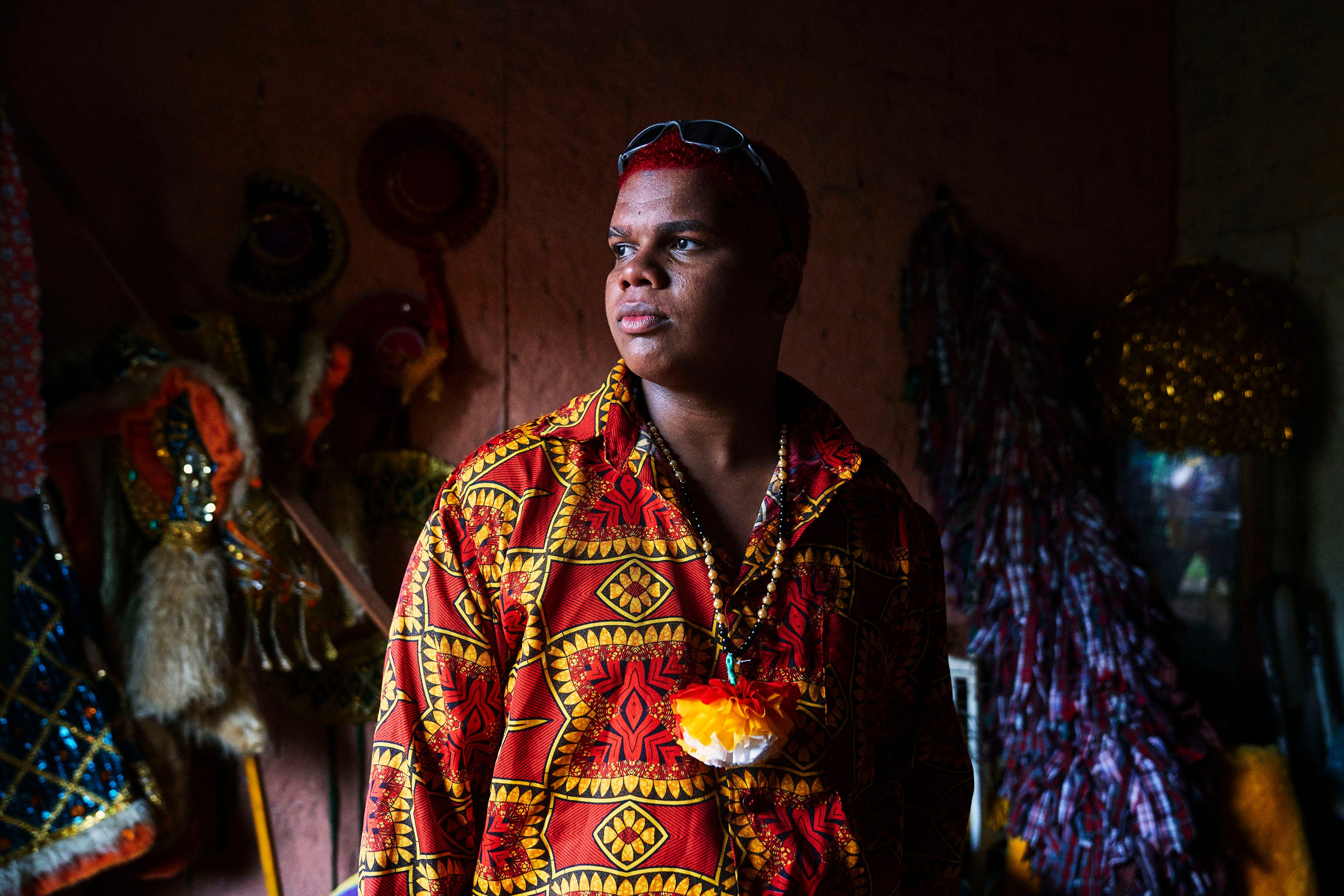
The Caboclos de Lança prepare in a small room. There’s a single window. The light cuts across their costumes in deep shadow and highlight. Quiet. Intimate. Focused.
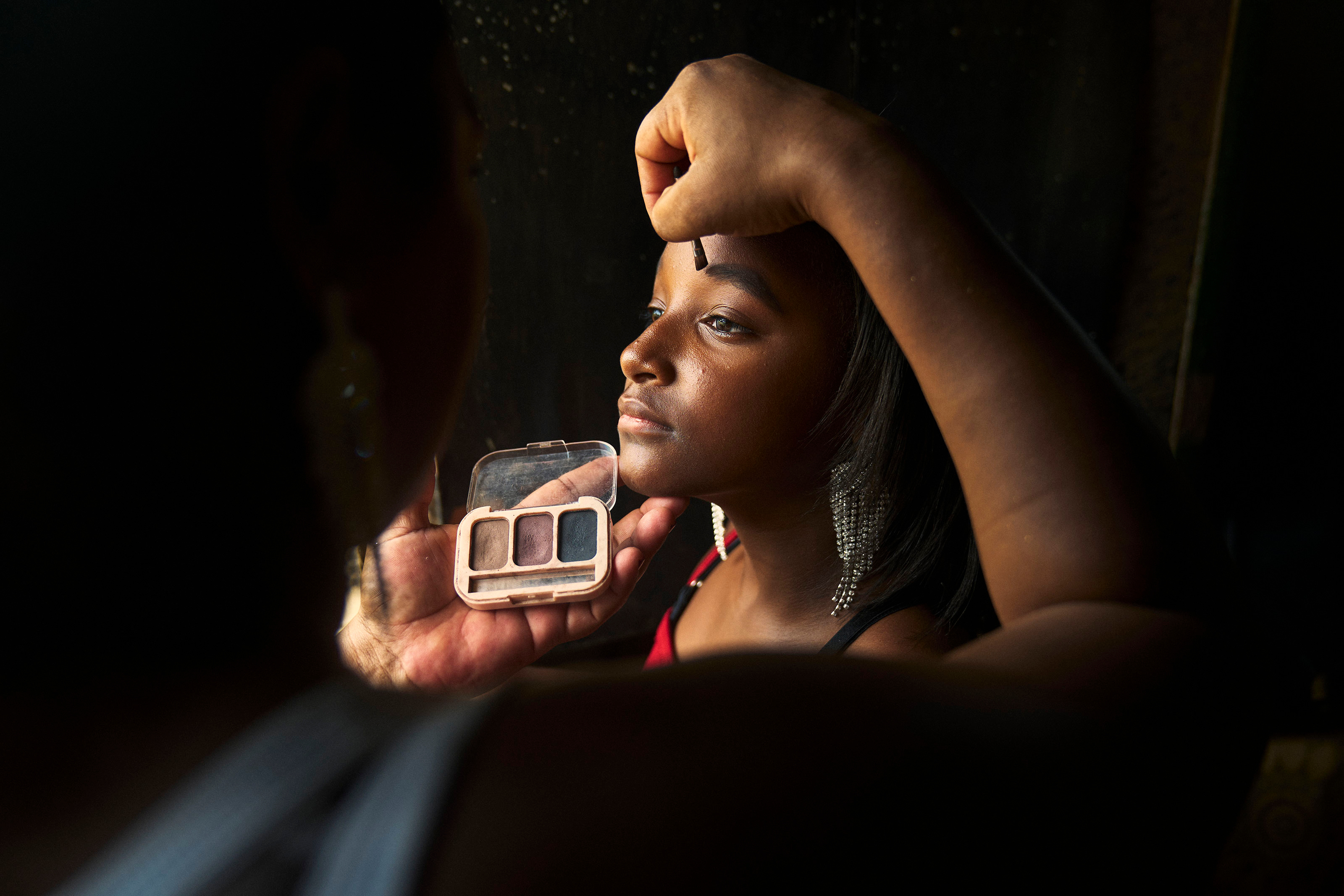
I remembered where the women put on their makeup, where the light sculpted their faces.
I had seen where the Baianas dressed near the greenery of the sugarcane fields, and where they would pass later, before the road became congested with photographers and audiences.
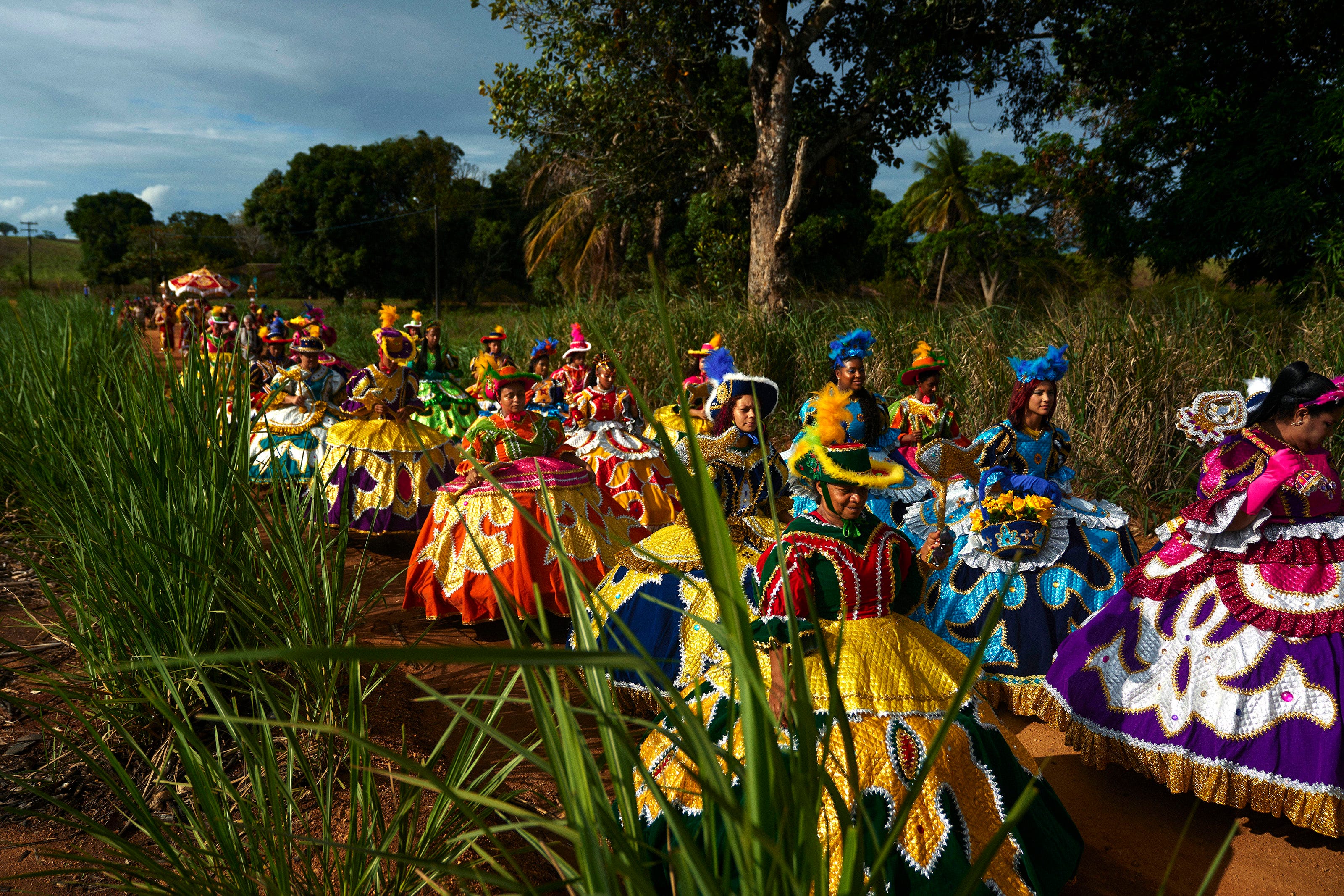
I was positioning myself to capture specific moments and elements, the visual cues that would give the photographs more depth and atmosphere.
And I remembered something else from that first year.
Photographing the performance itself was largely fruitless.
There were too many people. Too much chaos. Too many photographers competing for the same frame. We were mostly just getting in each other’s way.
So this time, I made a conscious choice.
Instead of fighting for space during the performance, I worked around the edges.
Preparation. Transitions. The moments before and after.
And when it ended, I didn’t leave.
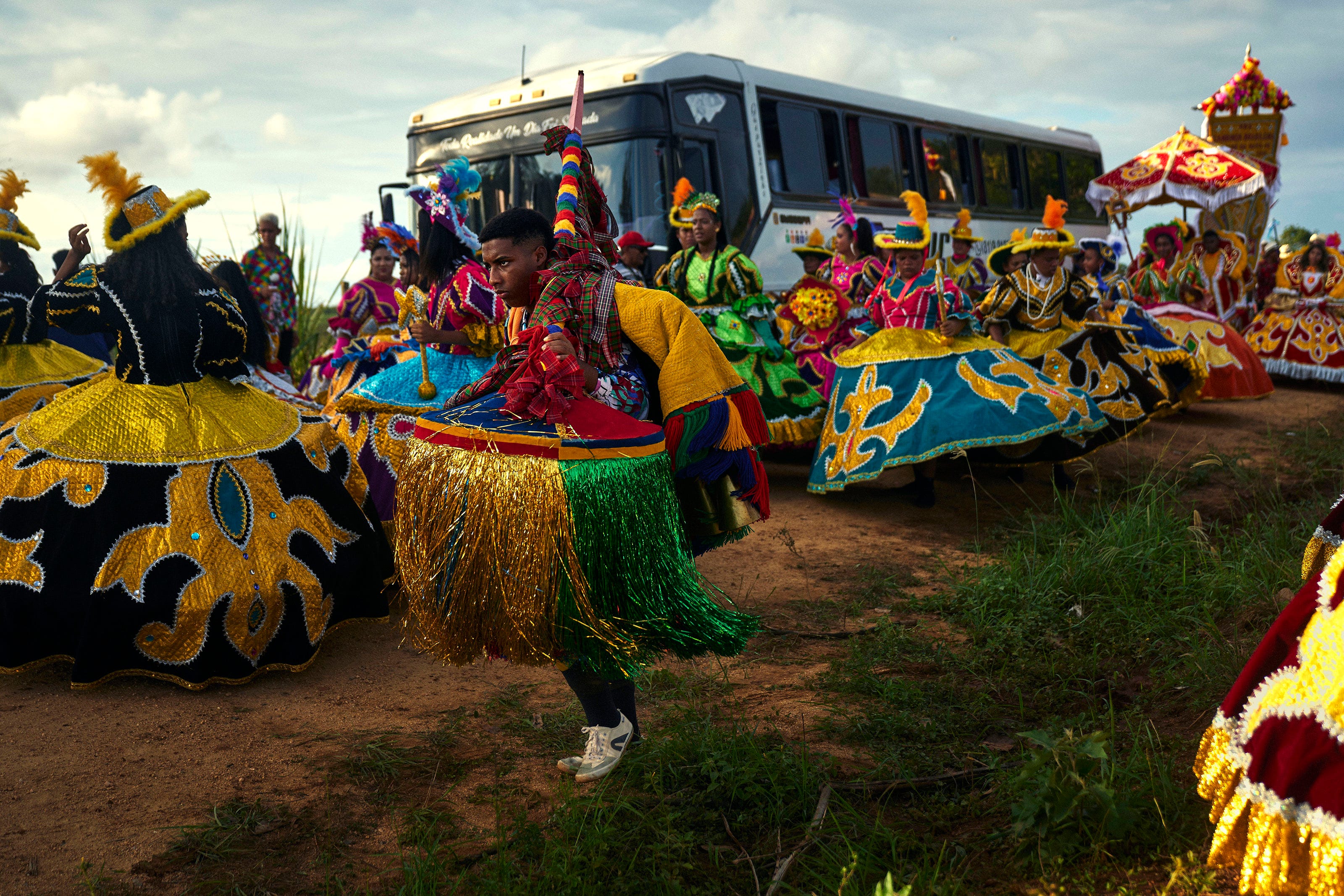
I ran to the truck where the costumes were being loaded. The real moments were still unfolding. Conversations. Exhaustion. Relief. A kind of emotional decompression.
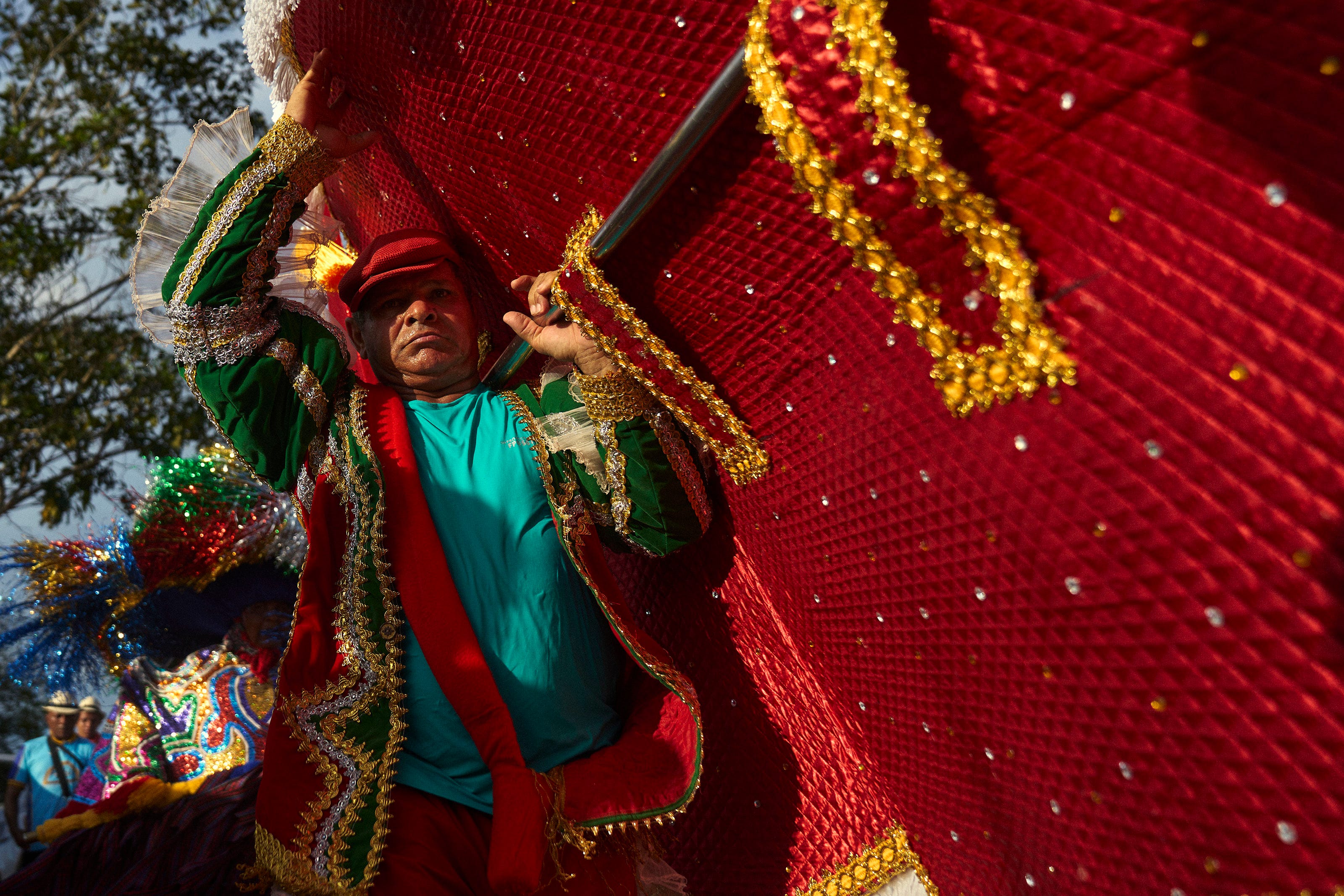
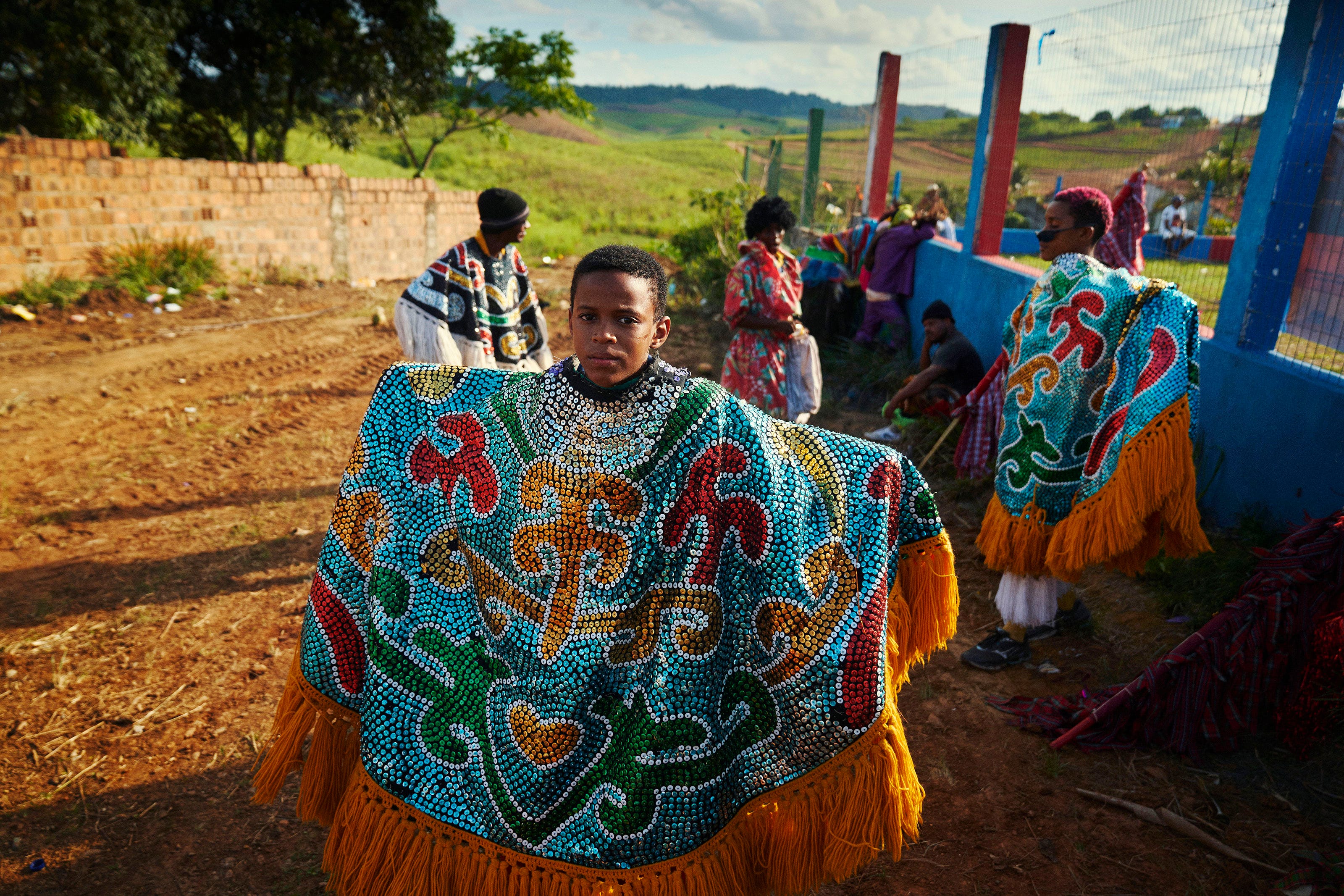
That’s where I made one of my favourite photographs this year. Two Caboclos de Lança standing against a blue sky and a strip of greenery, everything washed in golden light. Light I didn’t have the year before.
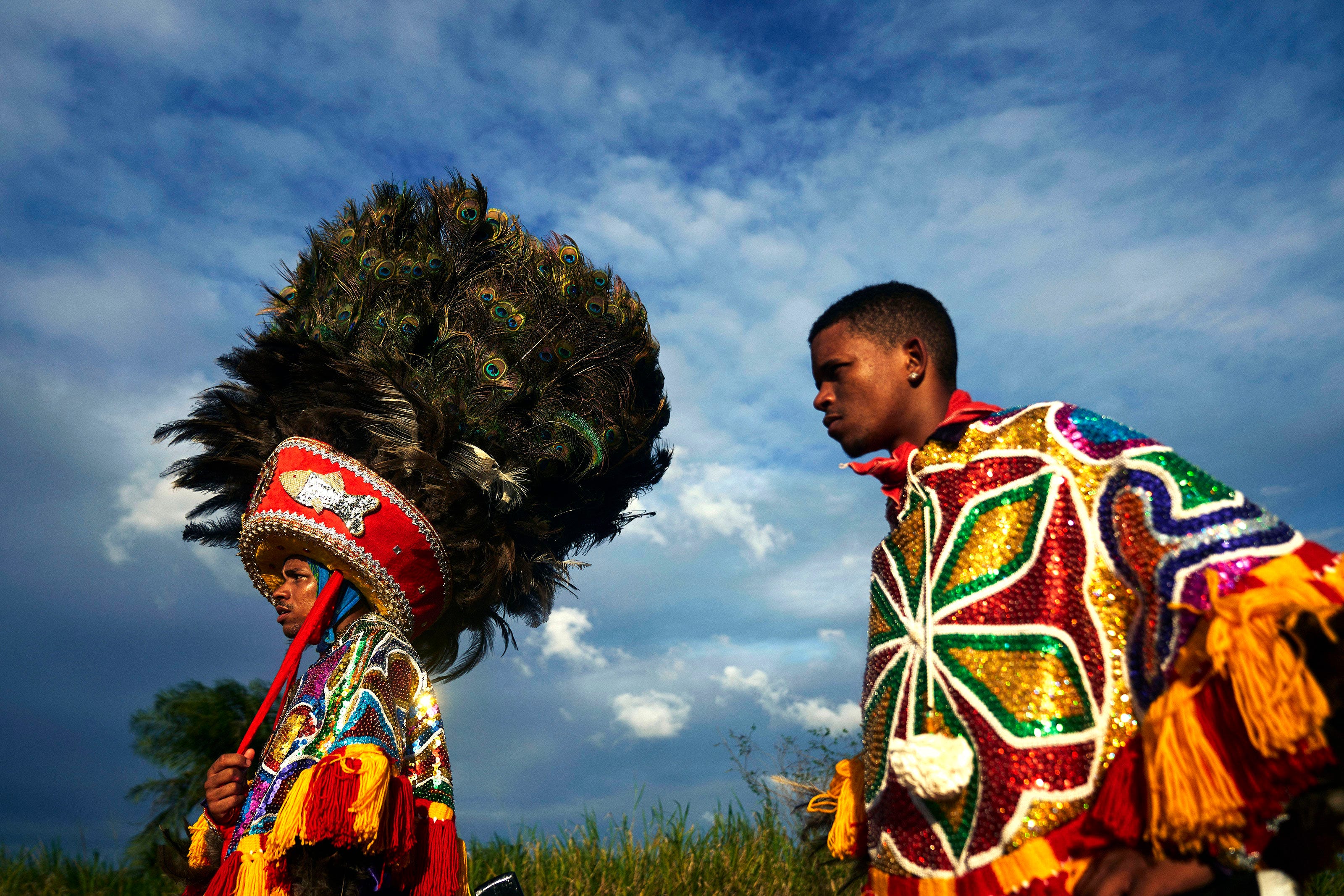
It was partly luck, of course.
But you only recognize luck when you know where to anticipate it.
The same pattern repeated itself throughout the carnival.
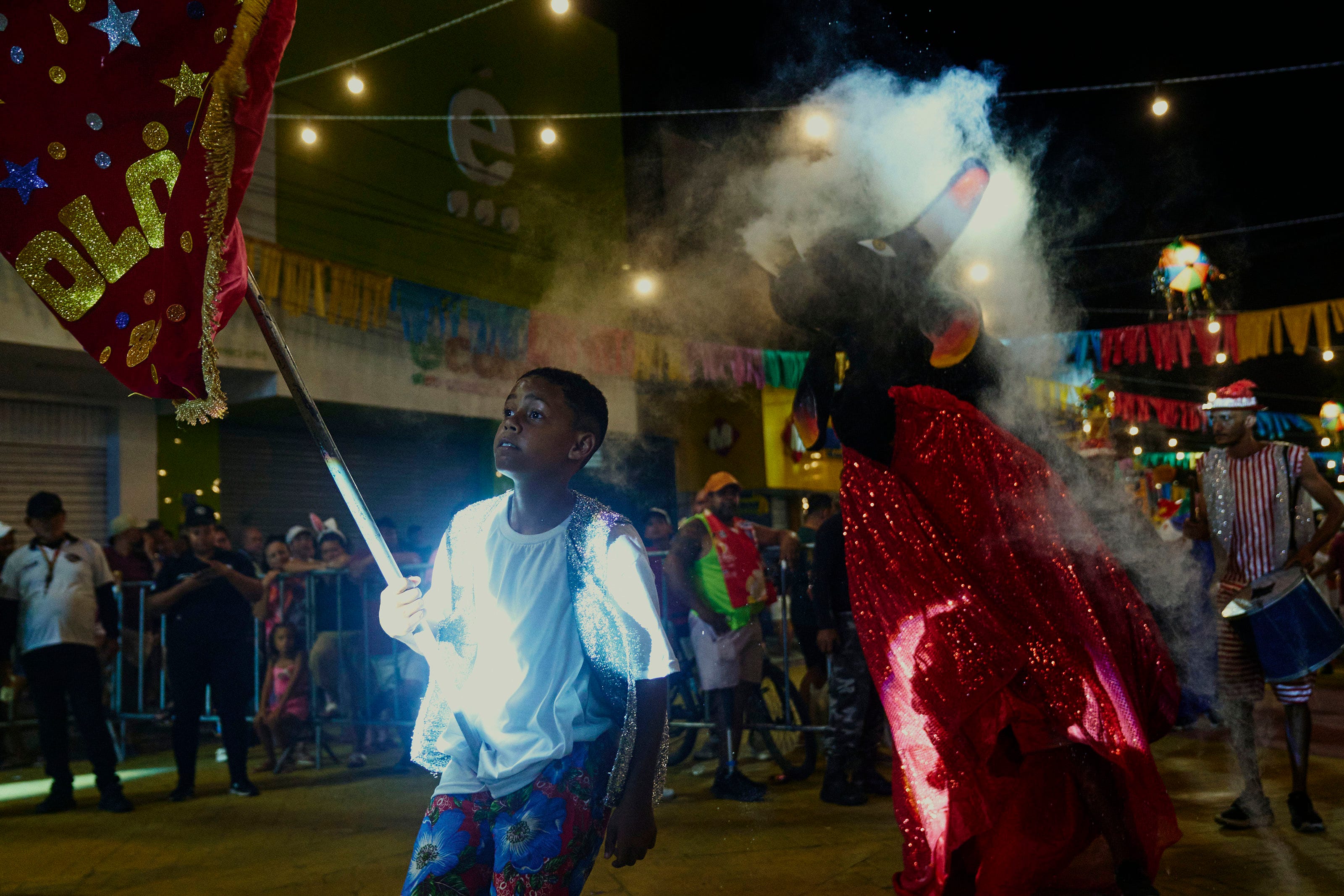
I went back to Goiana knowing there would be samba and manageable chaos. The exact location had shifted, and with it came new elements I hadn’t seen before.
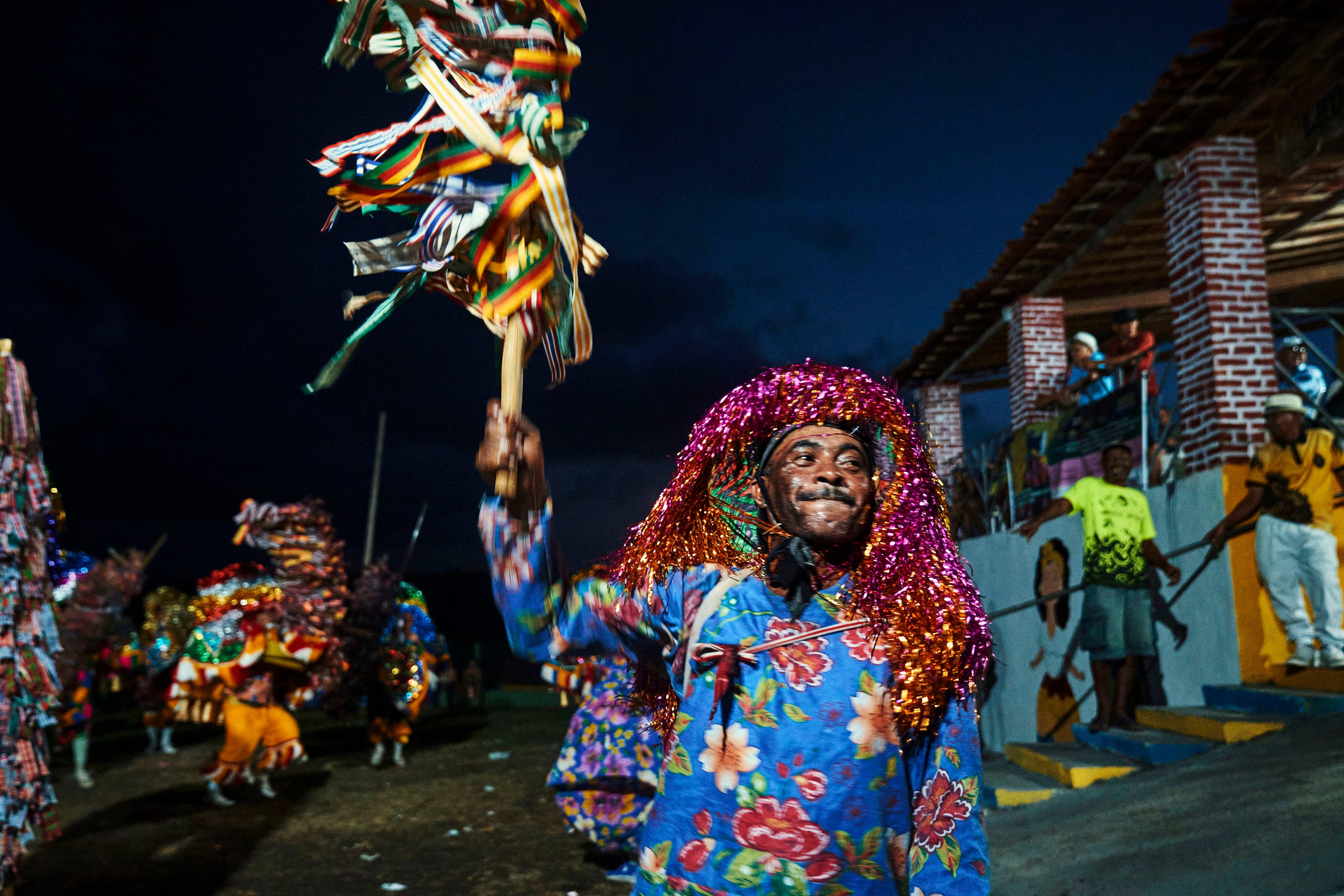
It wasn’t just samba. There were dancing bears, bulls, and donkey costumes, fully part of the carnival activities. A local Maracatu group too.
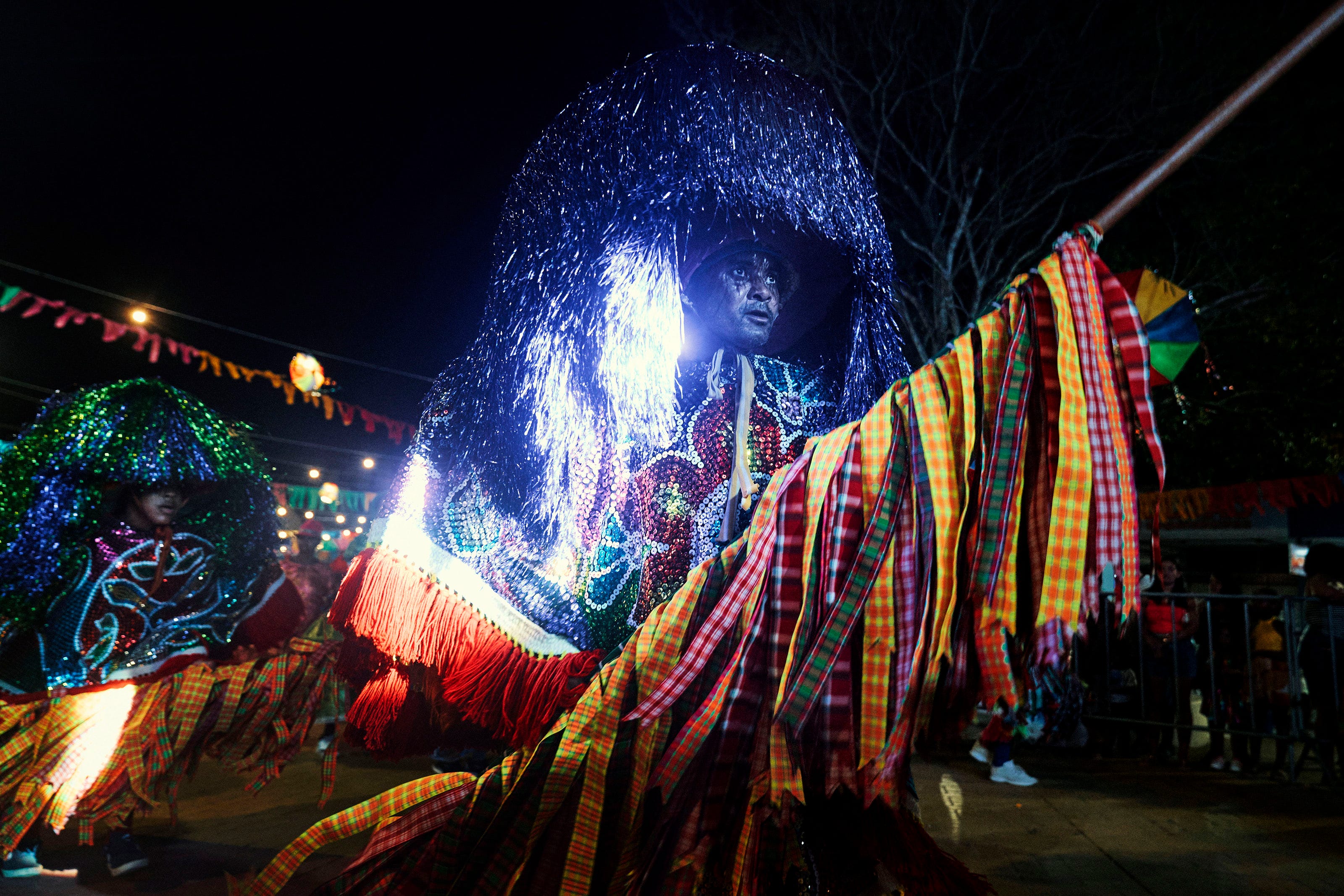
And the new setting offered something else: a dramatic stage spotlight cutting through the darkness.
That light was a powerful visual cue. It allowed me to create a strong sense of atmosphere.
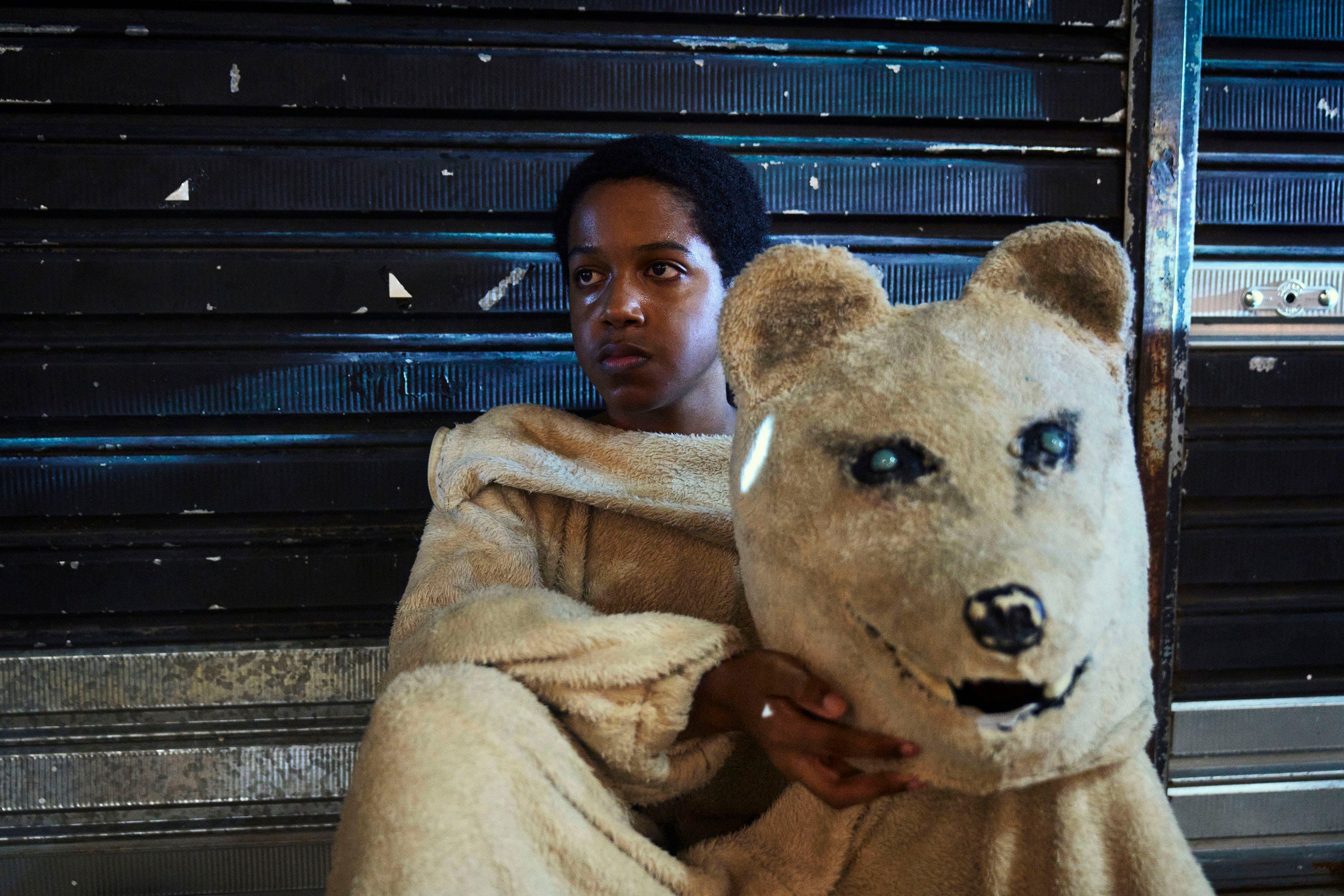
The unexpected characters, the bears, the bulls, the donkeys, and the people behind them, along with their expressions and body language, became visual cues as well. I could use them deliberately instead of reacting to the chaos.
Because I had photographed the carnival in Goiana before, I wasn’t overwhelmed. I could see the elements clearly and integrate them with intent.
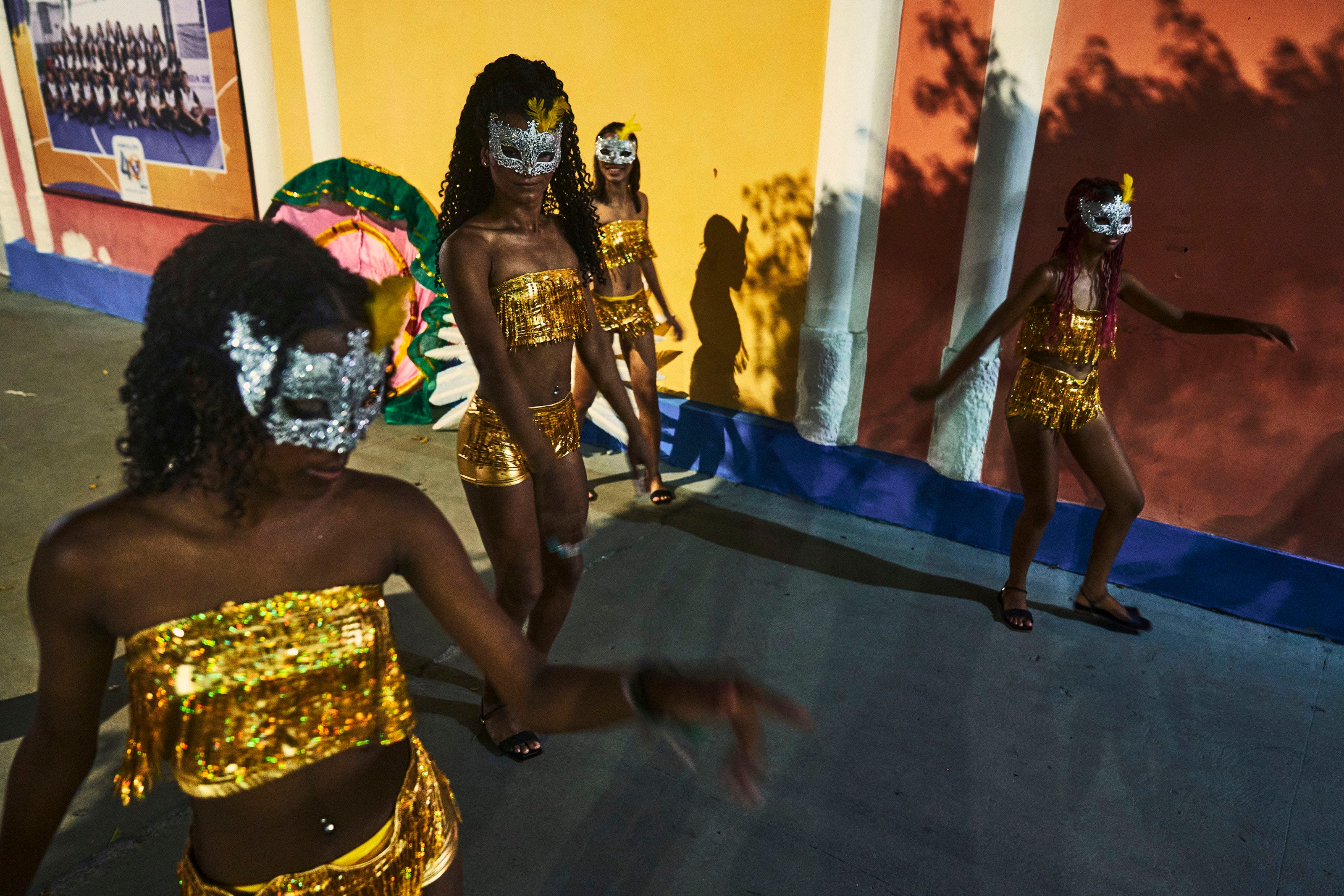
I came back because I knew there would be potential in Goiana.
And I ended up getting even more than I expected.
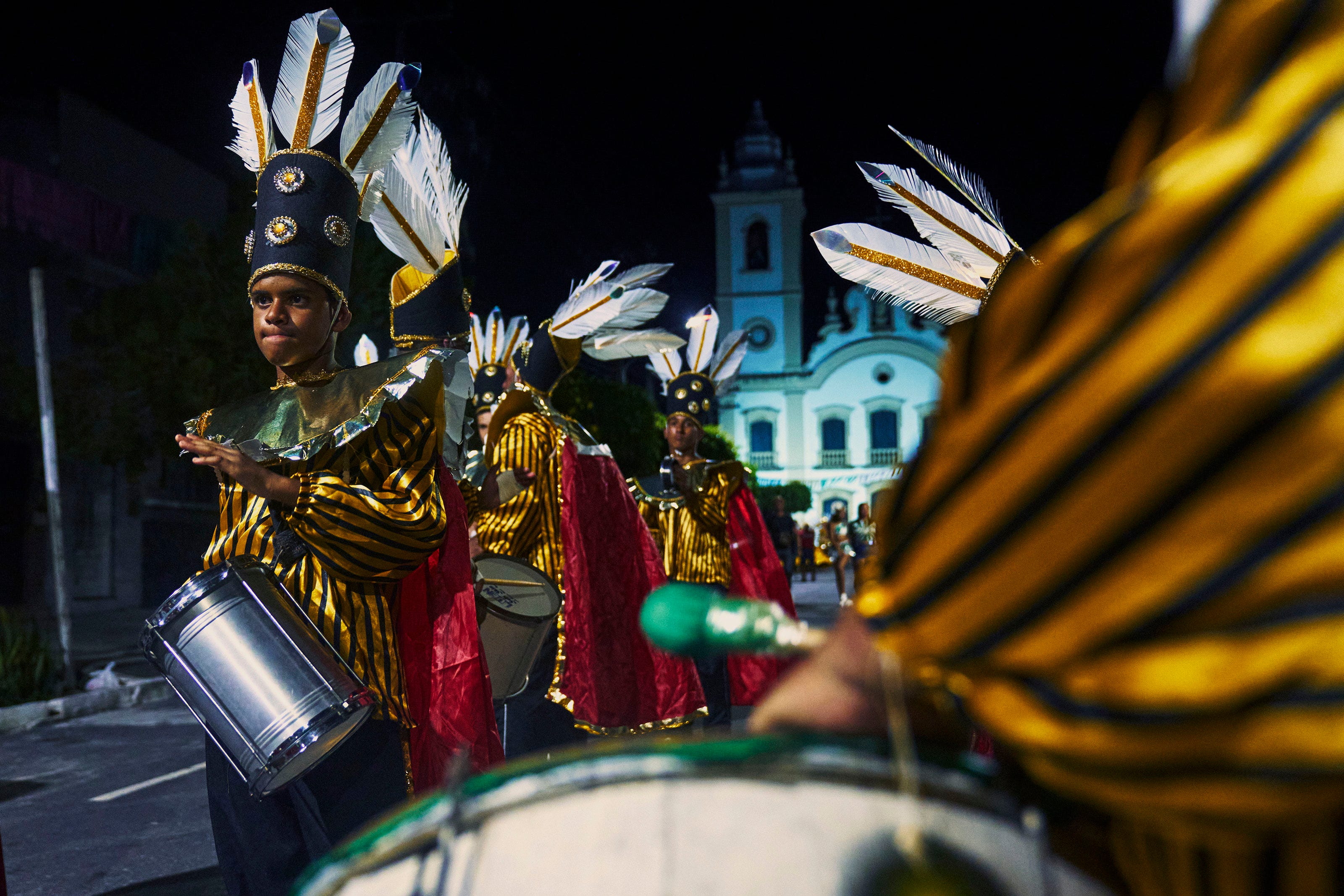
The final day made the power of knowing what to expect even clearer.
Last year in the town of Aliança, I arrived too late. The light was fading. I photographed the tail end of something powerful. There was still energy. Buses arriving with performers stepping off and dressing in a hurry. Others removing costumes and climbing back on for the next destination.
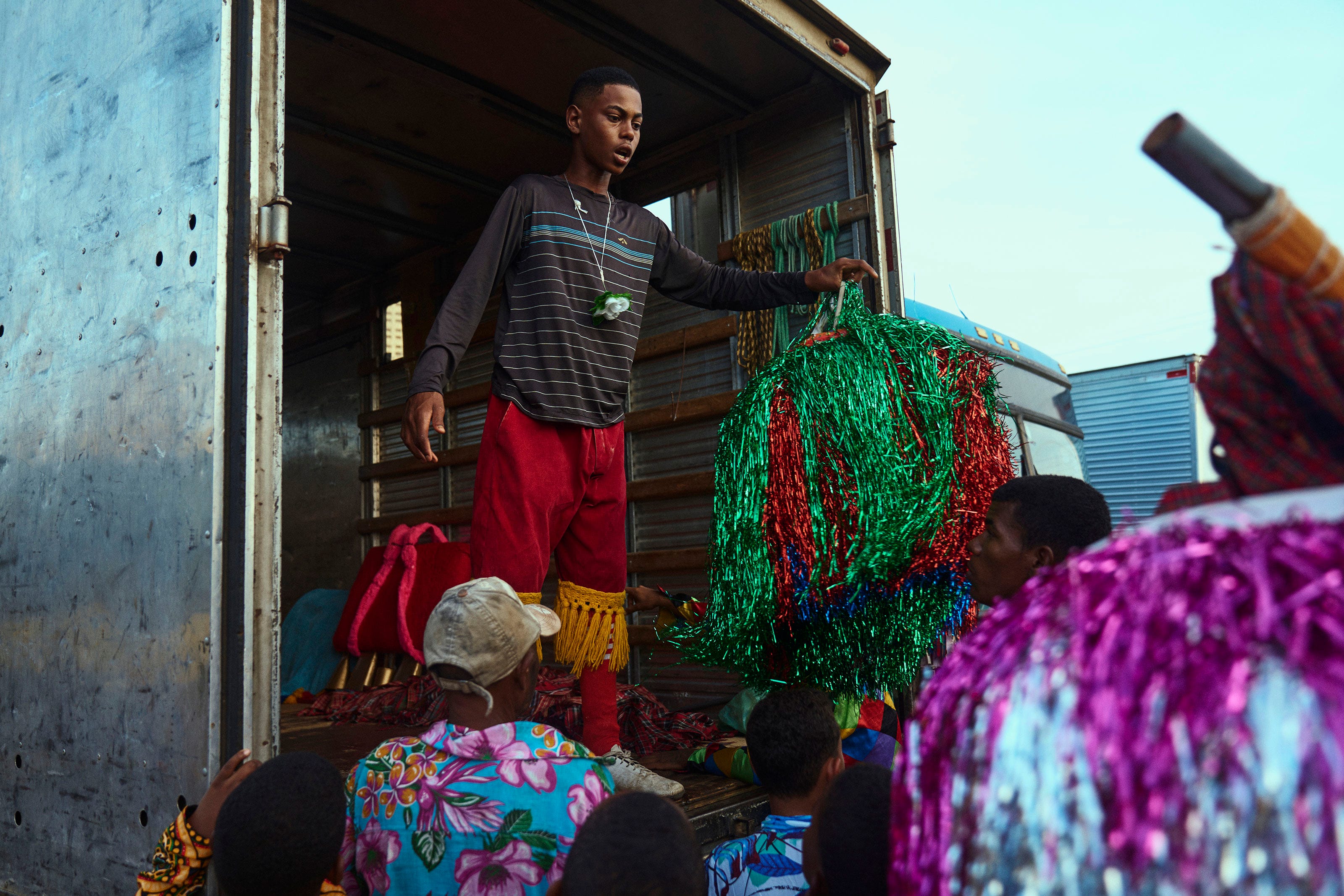
The setting itself was different there. Rolling sugarcane hills in the background. A completely different atmosphere from the harsh concrete buildings of larger towns. It felt open. Rural. Surrounded by fields. Framed by land instead of concrete.
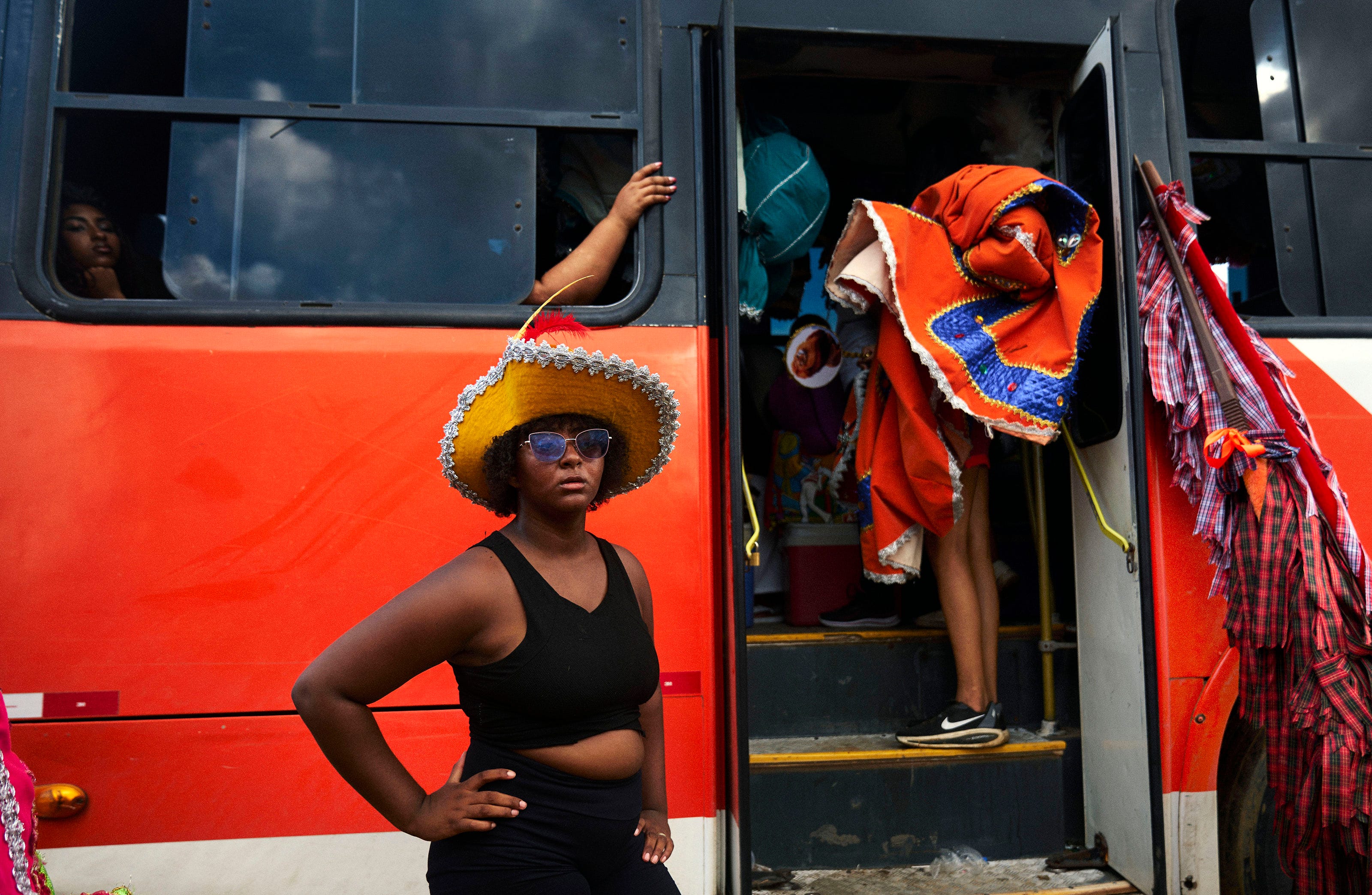
I left knowing I had probably missed the strongest day of Maracatu.
This year, I corrected that.
I arrived early.
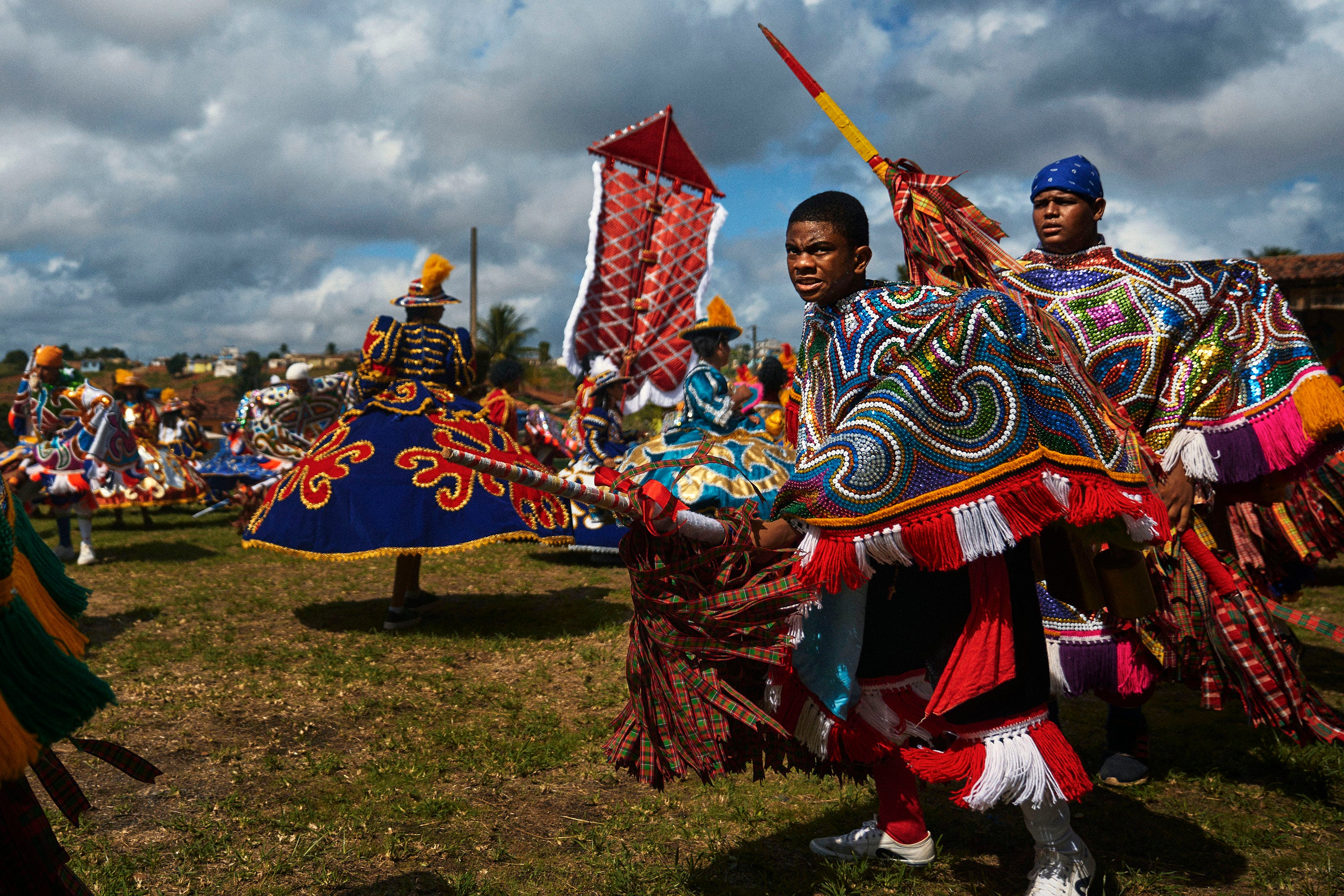
Morning shadows stretching long across the ground. Evening glow softening everything. Green fields behind the performers instead of concrete. Space. Air. Context.
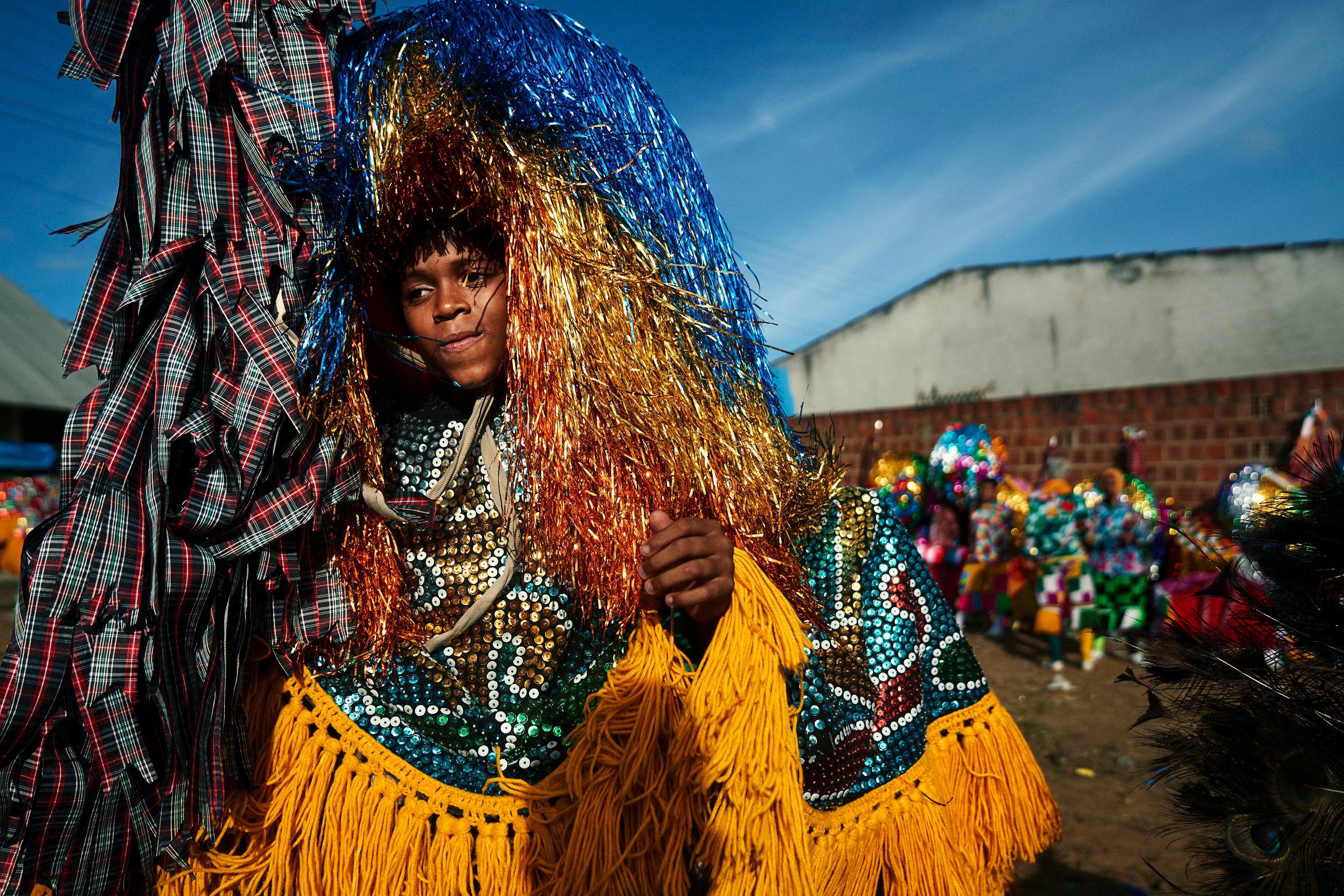
Everything felt more deliberate.
And that’s the real difference.
When you return, you’re no longer only following instinct and improvising. You’re shaping your approach to the event.
Documentary photography often feels like reacting to the right microsecond.
But that microsecond only matters if you’re standing in the right place when it happens.
The second time, you have a sense of where that place might be.
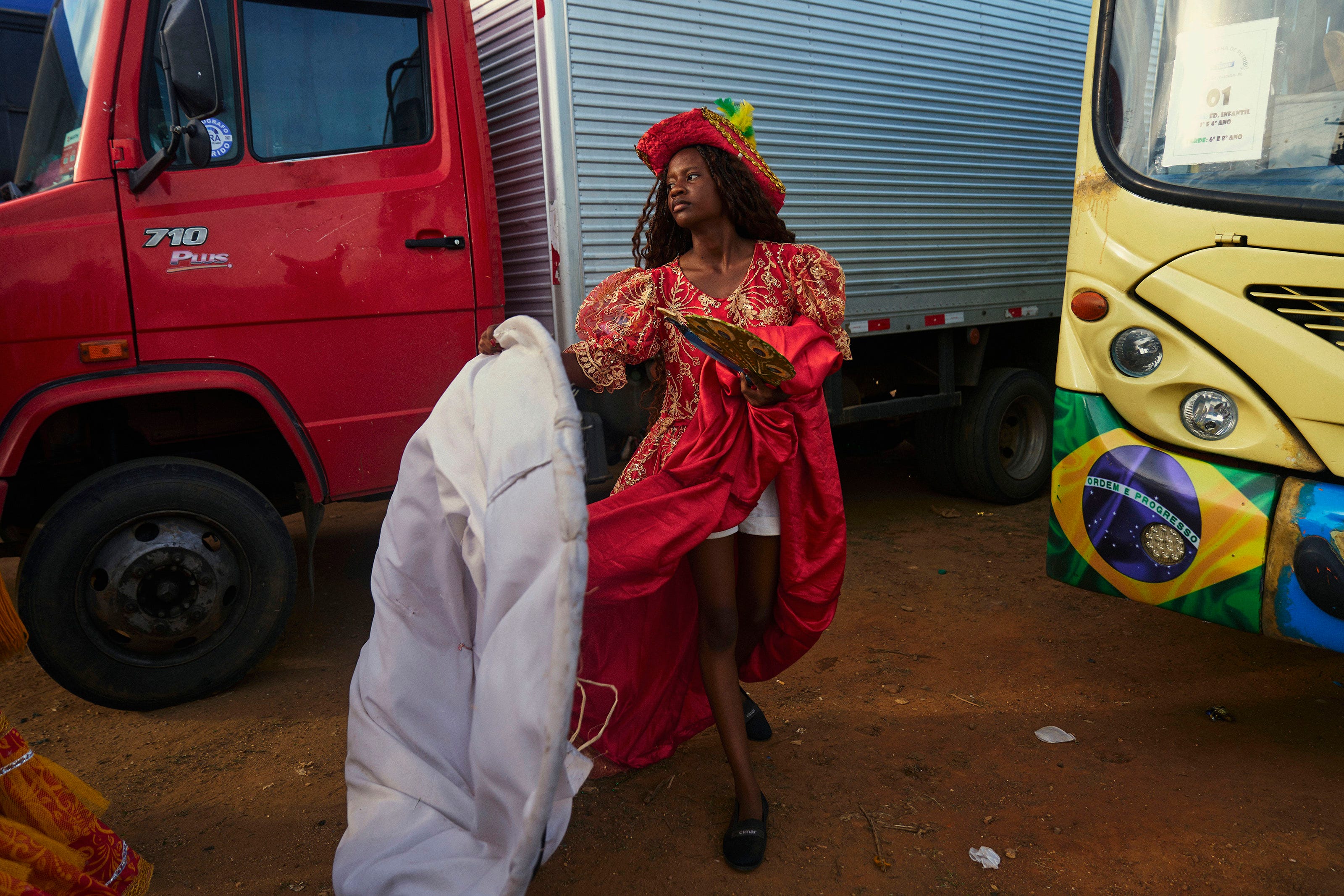
You can say: I want preparation, not performance.
I want intimacy, not spectacle.
I want rural houses and greenery behind a Maracatu group as they return.
I want performers framed against sky and sugarcane.
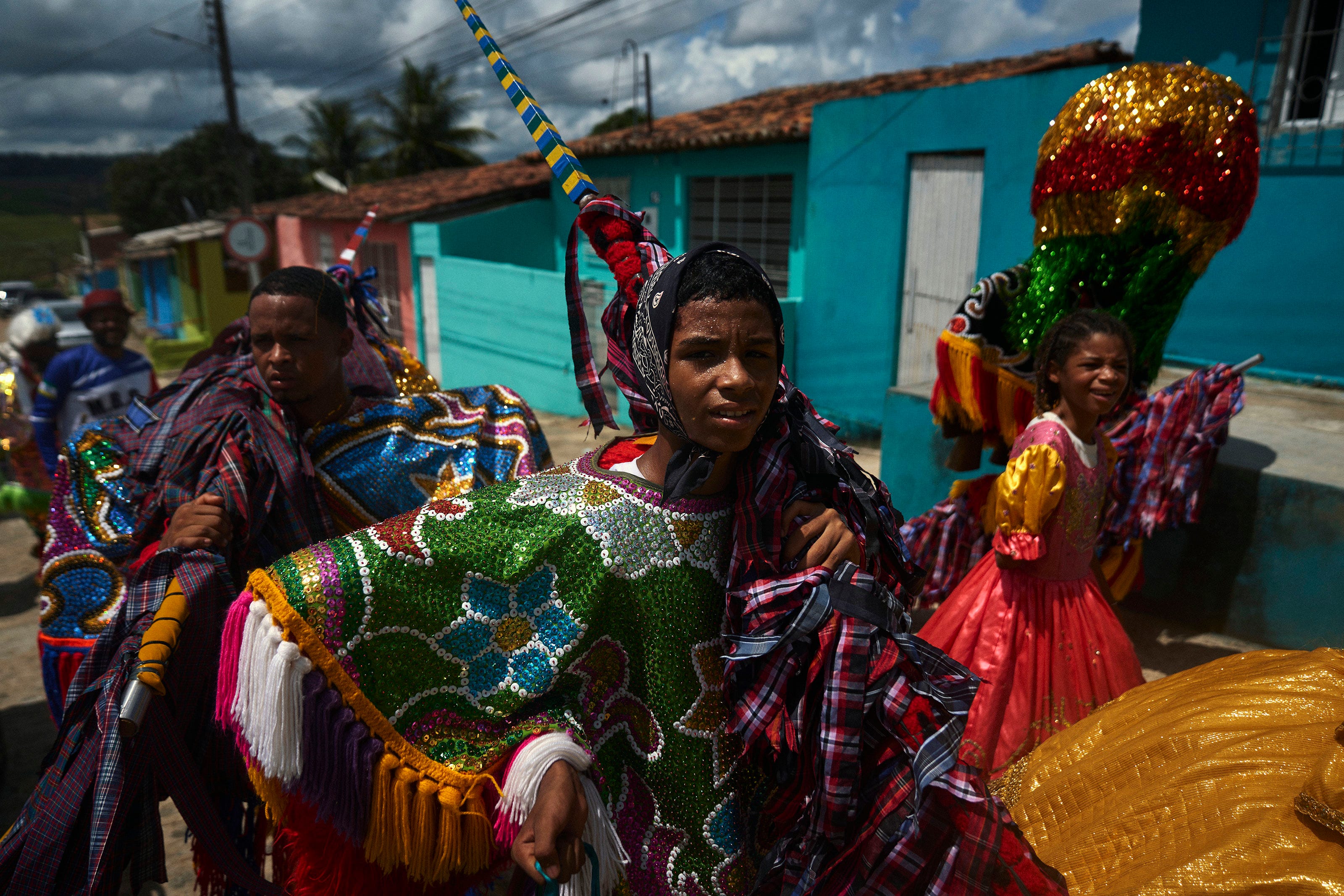
You may not know the exact photograph.
But you know the direction.
And direction changes everything.
When you come back, you’ve had time to process. To edit mentally. To understand what worked and what didn’t. The experience settles inside you and clarifies itself.
You move from instinct alone to intention backed by memory.
What would happen if I came back a third time?
I don’t know.
The only place I’ve returned to over many years is Braslav in Belarus, and that’s where some of my most intimate, personal images were made. Quiet ones. Patient ones.
But carnival is different.
Maybe the third time wouldn’t just be better.
Maybe it would be deeper.
And that’s something I still haven’t tested.
I’ve mentioned visual cues throughout this essay. If you’re interested in exploring that idea in a more practical, structured way, I’ve built a program around it.
The Visual Cues program breaks this down step by step, and includes an AI tool that helps you recognize visual cues in your own photographs.
You can find MORE DETAILS HERE.
Amazing images! Really nice description of your thought process and adjustments. Perfect exposure too! One question - do you bracket your exposures or do you shoot in a priority mode?