
The souls in the frame
How an unexpected comment transformed the way I see photography.

A single comment changed the way I think about photography.
Not a workshop. Not a book. Not new camera gear. Just one sentence.
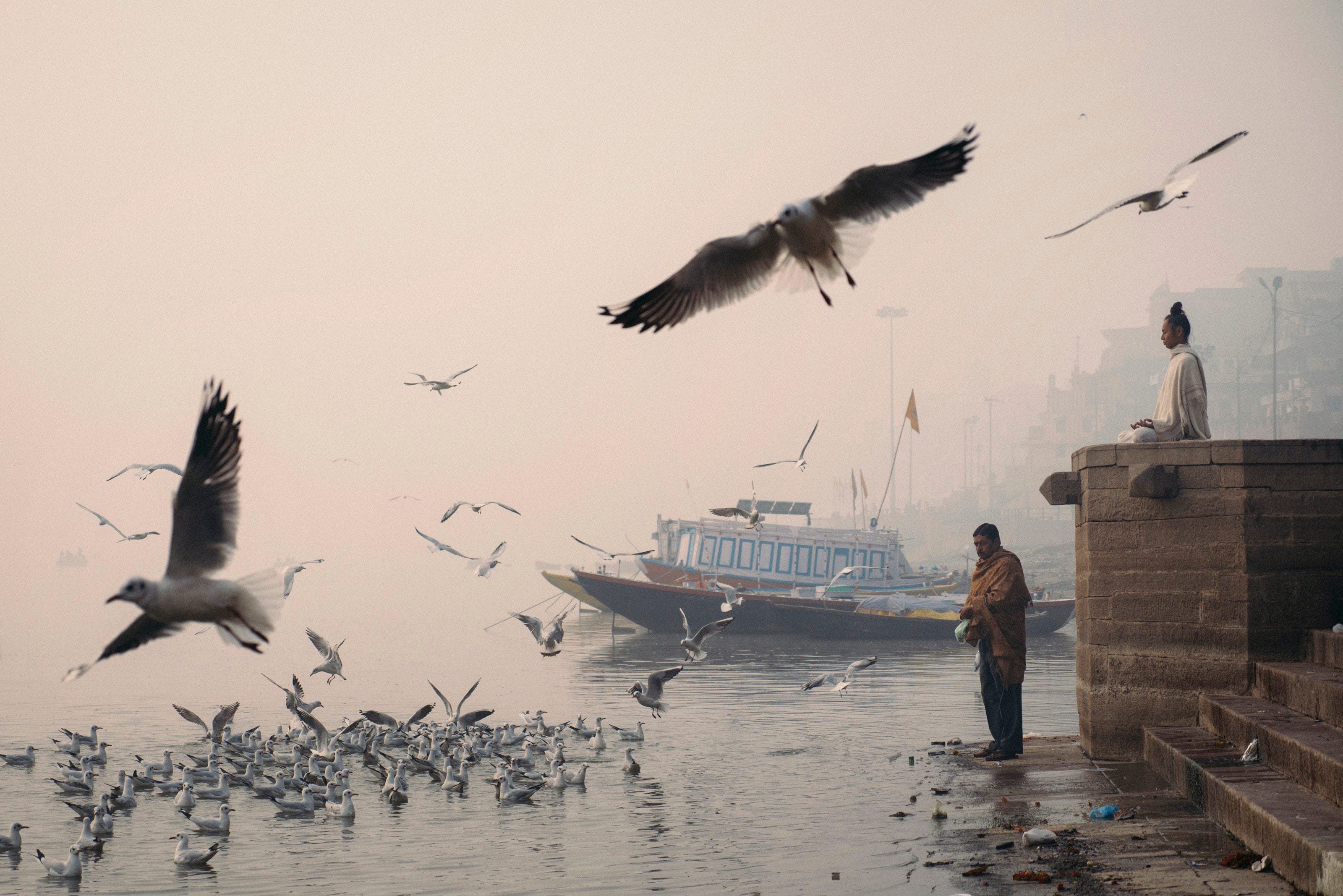
Varanasi… I had spent several days walking past the same stretch of the Ganges. Certain ingredients would appear and disappear depending on the morning: fog drifting across the river, birds emerging from the mist, and an atmosphere that felt almost dreamlike. At dawn, the city seemed to hover somewhere between the earthly and the spiritual, wrapped in a sense of mystery that was difficult to explain but impossible not to feel.
Eventually those elements came together.
A man sat meditating by the river. Birds swept past him. The fog softened the background.
I pressed the shutter.
At the time, I felt good about the photograph. I knew it contained many of the things I look for when I work: atmosphere, movement, gesture, mood, and what I call visual cues. Elements that suggest something beyond their literal appearance.
When I later posted the image online, the reactions were mostly what you’d expect: emojis, likes, and short compliments.
“Beautiful.” “Amazing.” “Great shot.” “Wow.”
Kind comments. Positive comments.
I appreciate every person who takes the time to leave one. But if your goal is to grow as a photographer, comments like these offer no insight beyond the fact that somebody liked the photograph.
Occasionally, however, somebody says something more interesting.
I remember one person wrote:
“I don’t know why, but this picture lures my mind to watch beyond, and to ponder.”
Now we’re getting somewhere.
That comment gave me access to their experience of the photograph. Something I could never have had on my own.
And that distinction matters. Because photographs often become larger than our intentions.
And this brings me to the comment that changed the way I see photography.
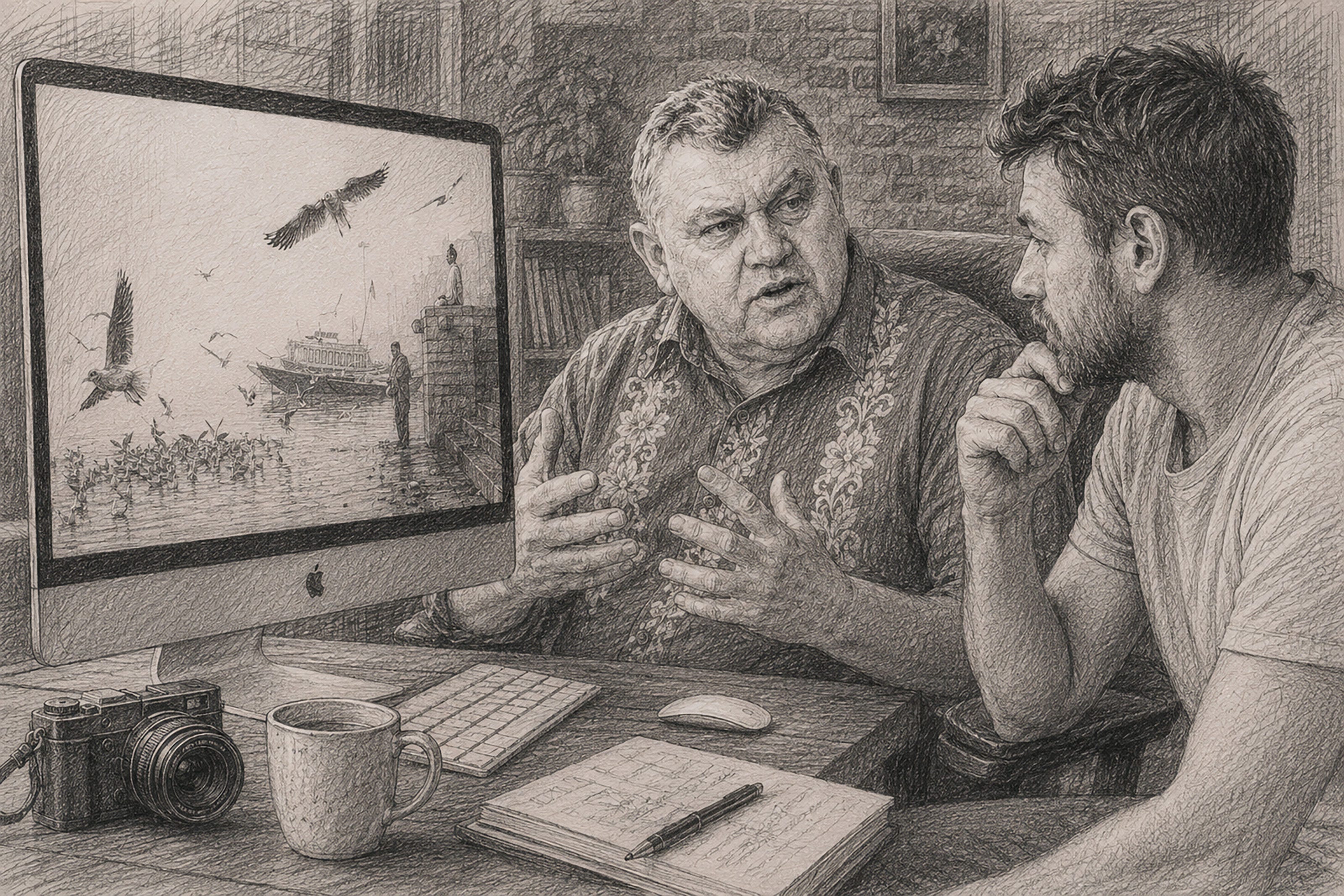
Years later, I showed the image to a friend of mine, the legendary Australian travel and documentary writer Paul Raffaele.
He looked at it and said:
“It's like this man is meditating while the souls of all those who came here to die drift past him.”
That was it. One sentence. But it completely transformed the photograph for me.
Varanasi is one of the holiest cities in India. For centuries, people have travelled there believing that dying in the city can liberate them from the cycle of rebirth. I knew that context, and Paul knew it too. And suddenly the birds were no longer just birds. They became symbols. The photograph became larger than the moment it depicted, less like a document and more like a poem. It seemed capable of suggesting ideas, meanings, and questions that simply weren’t visible in the frame itself.
I found myself thinking about souls, mortality, spirituality, and all sorts of questions that had never consciously crossed my mind while making the image.
What’s interesting is that Paul wasn’t telling me what the photograph meant. He was revealing what it meant to him.
That distinction changed everything. A photograph doesn’t simply communicate what the photographer puts into it. It also absorbs what the viewer brings to it: their experiences, beliefs, memories, imagination, and way of seeing the world.
Looking back, many of my biggest breakthroughs in photography came from moments like this. Not from technical knowledge, tips, or tricks. They came from somebody helping me see something I hadn’t seen before.
Paul’s comment crystallised something I had been slowly learning for years: some of the most valuable insights about a photograph come from talking about it, not just making it.
Years earlier, one of my first mentors, portrait photographer Eugene H. Johnson, used to give his students an unusual assignment. He asked them to write about their photographs.
At first it seemed unrelated to photography. Why write when the goal is to make pictures?
But the exercise had a purpose.
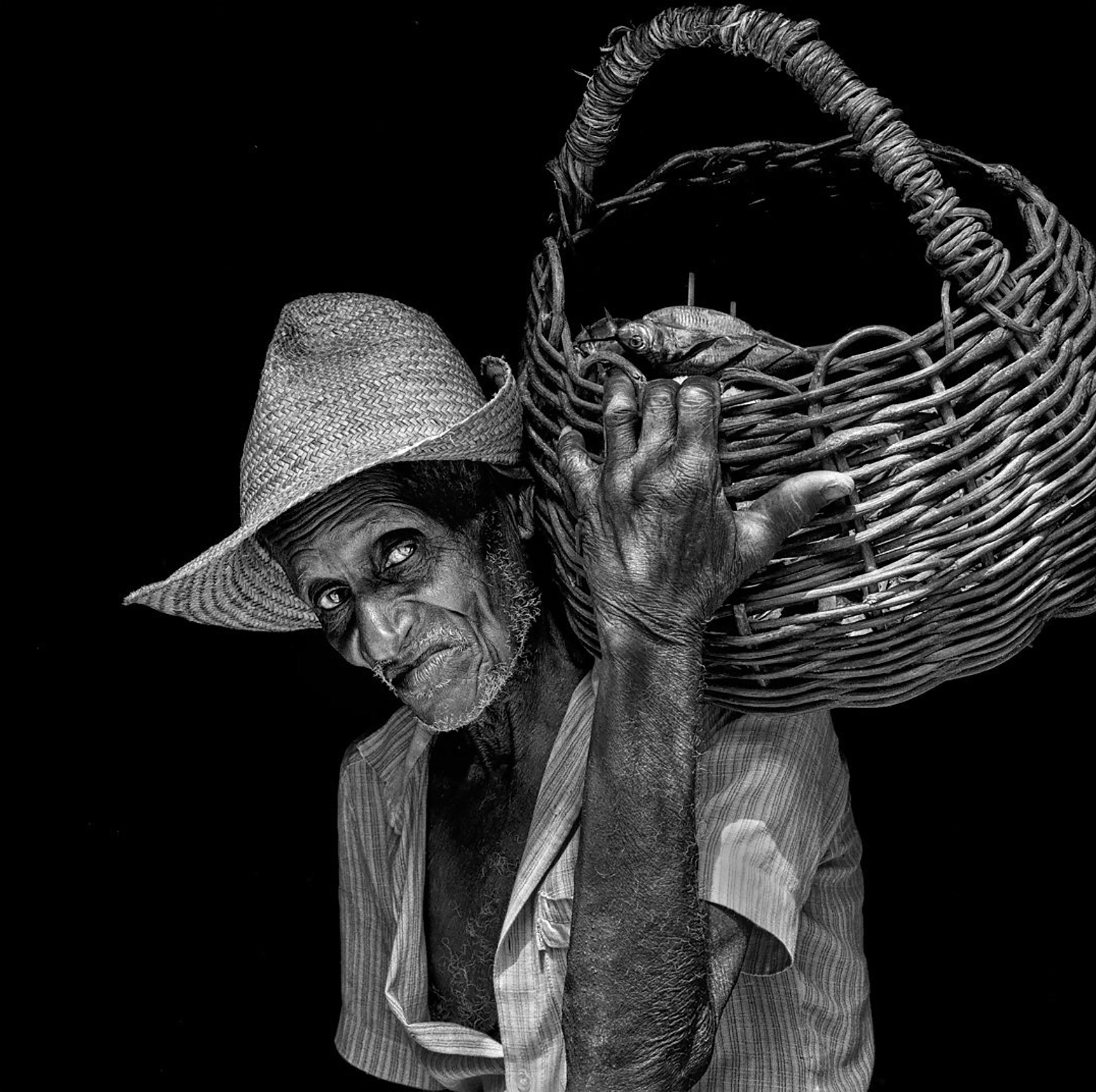
The moment you try to describe why a photograph matters, you’re forced to examine it more carefully. Why did you make it? What attracted you? What were you responding to? What does it suggest?
Writing doesn’t directly improve composition, exposure, or timing. But it can deepen your understanding of your own work. And a deeper understanding of your work often leads to better photographs.
The hard part is that this kind of insight has always depended on who happens to be in your life. Most of us don’t have a mentor like Eugene. Most of us don’t have a friend like Paul. Most of us don’t have somebody we can turn to whenever we want to explore the ideas hidden inside a photograph. So for most photographers, that second perspective, the one that offers another way of seeing the same image, simply doesn’t show up very often.
Which is part of why I’ve found something unexpected in an unlikely place: AI.
Over the last couple of years, I’ve spent a lot of time uploading photographs into ChatGPT and asking questions about them. Not technical questions, but interpretive ones. What does this photograph suggest? What emotions does it evoke? What’s the potential story?
And honestly, the results have often been surprisingly good. Not occasionally useful. Not just “good for a machine,” but genuinely insightful.
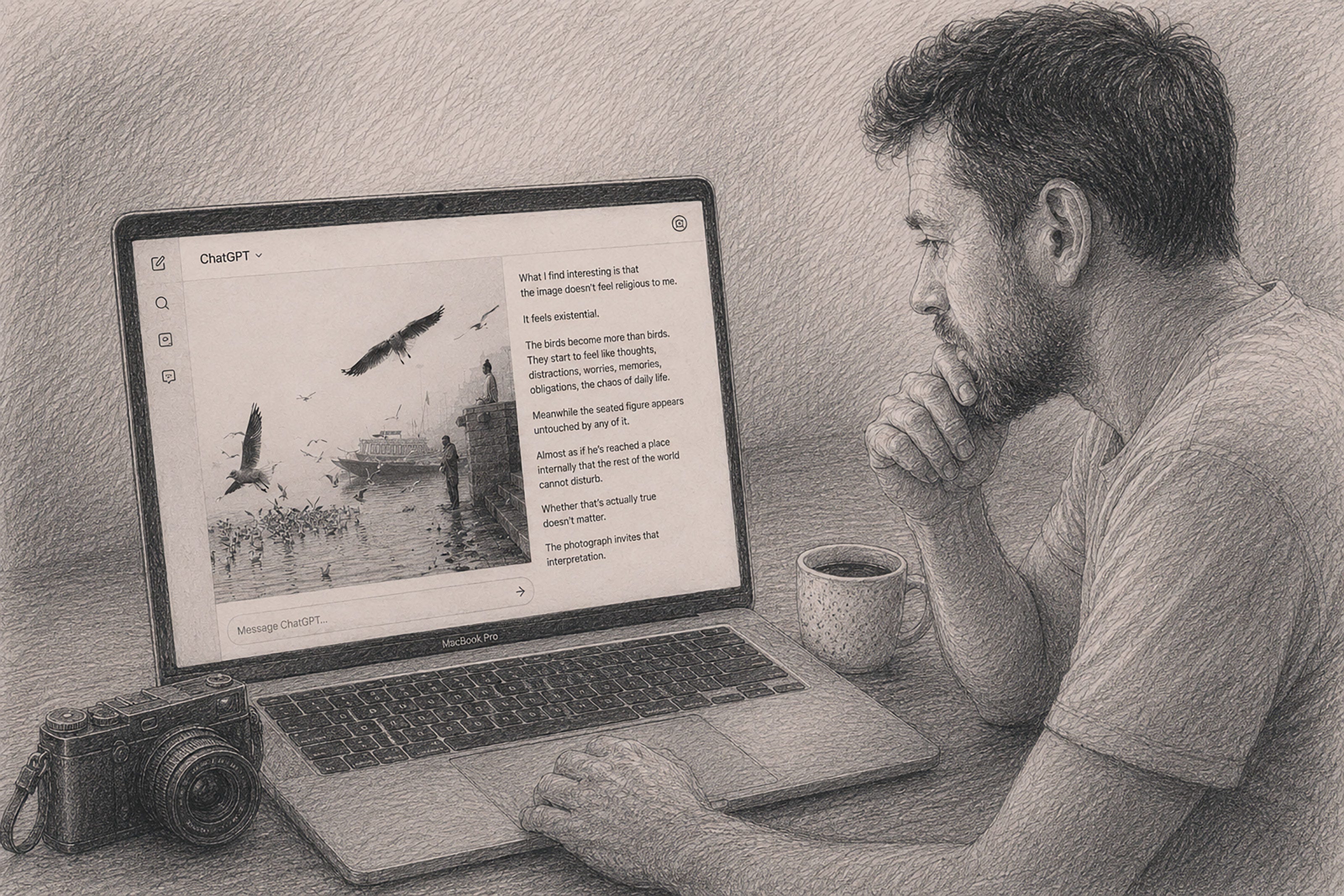
Many times the AI has pointed out symbolism, metaphors, and interpretations that I hadn’t consciously considered myself. Sometimes I agree and sometimes I don’t, but that’s not really the point. The point is that they make me look again, almost as if I’m seeing it for the first time.
For example, after a few prompts, ChatGPT offered this interpretation of the photograph of the man and the flying birds.
What I find interesting is that the image doesn’t feel religious to me.
It feels existential.
The birds become more than birds. They start to feel like thoughts, distractions, worries, memories, obligations, the chaos of daily life.
Meanwhile the seated figure appears untouched by any of it.
Almost as if he’s reached a place internally that the rest of the world cannot disturb.
Whether that’s actually true doesn’t matter.
The photograph invites that interpretation.
Kinda amazing? Right?
Now, before the skeptics jump in, yes, AI sometimes hallucinates. It absolutely invents things. I’ve uploaded deliberately mediocre photographs and watched it produce beautifully written essays full of meaning and emotion.
But in some ways, that’s not entirely different from what people do. When Paul looked at my photograph from Varanasi and spoke about souls passing through the frame, there weren’t actually any souls visible in the image. He was interpreting what he saw, bringing his own experience, imagination, knowledge, and sensitivity to the photograph.
The difference is that AI can do this endlessly. You can challenge its conclusions, ask it to justify what it’s seeing, point to evidence in the frame, or even argue against its own interpretation. Push it hard enough and the conversation often becomes surprisingly sophisticated.
What I find so valuable is not that it’s always right. It’s that, for the first time, almost every photographer has access to something that was once incredibly rare: a conversation partner capable of discussing photographs in depth.
Of course, there is still a big difference between an AI model and somebody whose judgement you deeply respect. A mentor, a critic, or a photographer whose work has stood the test of time brings experience, wisdom, authorship, and a genuinely human perspective to the conversation. AI is something different. But when used well, it can still be extraordinarily useful for generating ideas, interpretations, and questions you may never have considered on your own.
The more I experimented with it, the more I realised that intelligence wasn’t really the limiting factor. Direction was. Left to its own devices, generic AI feedback tends to drift: vague praise, over-interpretation, the occasional confident hallucination. It needed the same thing a student needs from a mentor: a framework, a set of priorities, a point of view to push against.
So a while back I started building one for myself, mostly to see whether AI could analyse photographs the same way I do when I’m teaching, editing, or reviewing my own work: paying attention to visual cues, symbolism, atmosphere, gesture, mood, visual hierarchy, the elements that turn a photograph from a record into something more evocative.
Those instructions didn’t come from AI. They’re the product of more than twenty years of making photographs, studying photographs, and trying to understand why certain images stay with us while others are forgotten. Eventually I called the result Visual Cues Coach.
If you are fortunate enough to have a Paul or a Eugene in your life, that’s better than AI. Make the most of them. Show them your photographs. Ask questions. Listen carefully. Keep doing it until they’re completely sick of you.
If you don’t have such people in your circle, or even if you do and just want another angle, you can experiment with ChatGPT or Gemini directly. They’re the best generic options for this kind of analysis, and you will get genuinely insightful ideas out of them. Just feed them context: tell them about the photographers whose work you admire, the ideas that interest you, the qualities you value in a photograph. The more context you give them, the more useful they become.
It will take longer, and you’ll have to do more of the work yourself: figuring out what to ask, catching the hallucinations, and steering it back when it drifts. That’s the trade-off. Visual Cues Coach is simply the framework I built to make that process easier. But the generic version still works.
Will AI still hallucinate sometimes? Absolutely. Will it still occasionally produce nonsense? Of course. Even Visual Cues Coach will, although far less often.
But every now and then it will offer an observation, ask a question, or suggest an interpretation that changes the way you see a photograph.
And ultimately that’s the point.
The biggest breakthroughs in my photography rarely came from a new camera or a new gadget. More often they came from a comment, a conversation, or an unexpected interpretation that helped me see something differently.