
When lenses actually matter
And why I carry niche lenses I barely use, but you don't need to

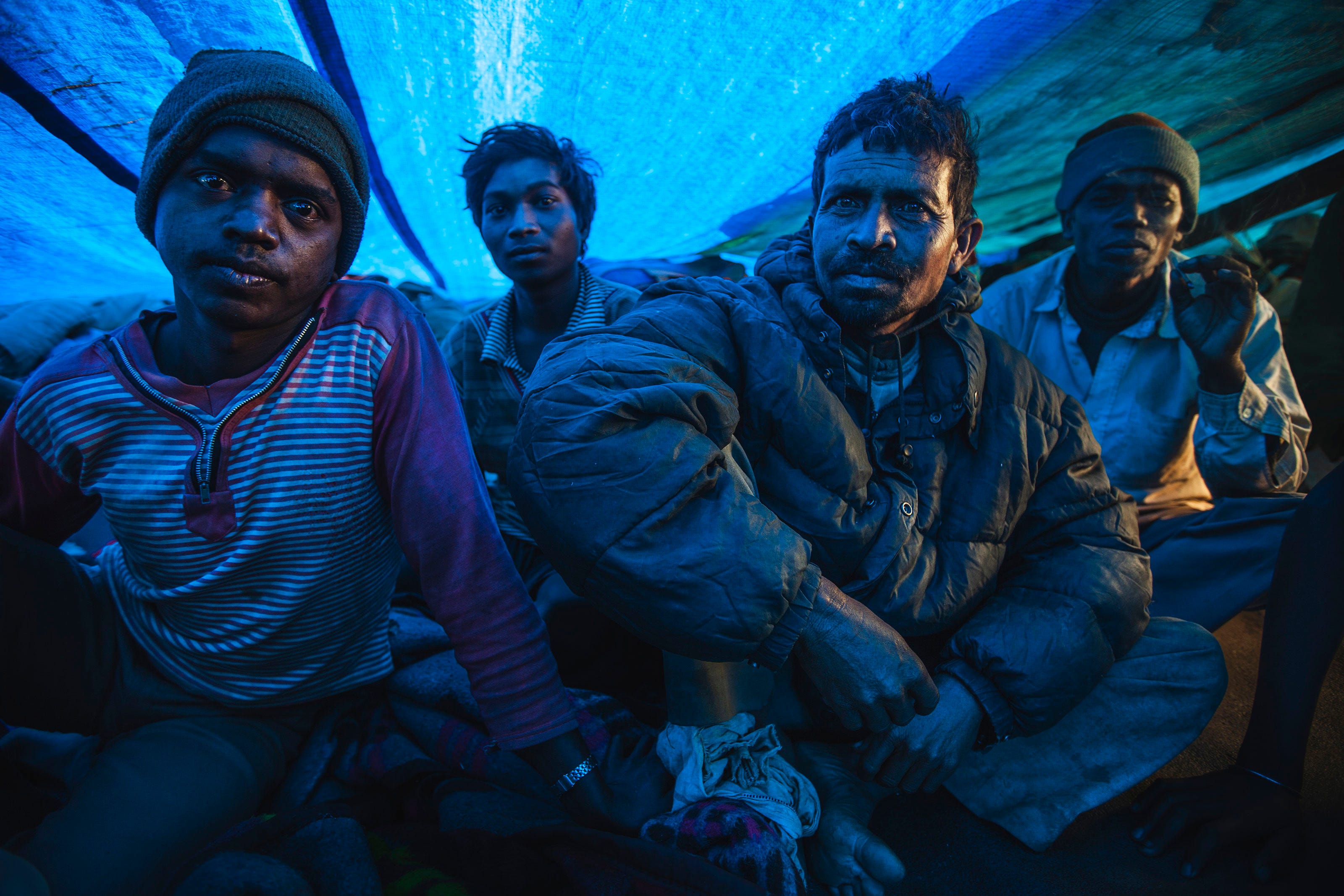
So… this phrase that gear doesn’t matter… it’s NONSENSE.
I know I might have created that impression with some of my videos, but here’s what I actually think: gear matters, to an extent. And it depends on what you’re trying to achieve. There’s nuance to it.
I will say this, though: in most cases, it matters much less than people think.
Cameras, for example, are usually far better than the capabilities of most photographers. Almost any modern camera is more than good enough.
So if the camera itself is more than good enough for most of us, where does gear actually make a difference? Lenses!
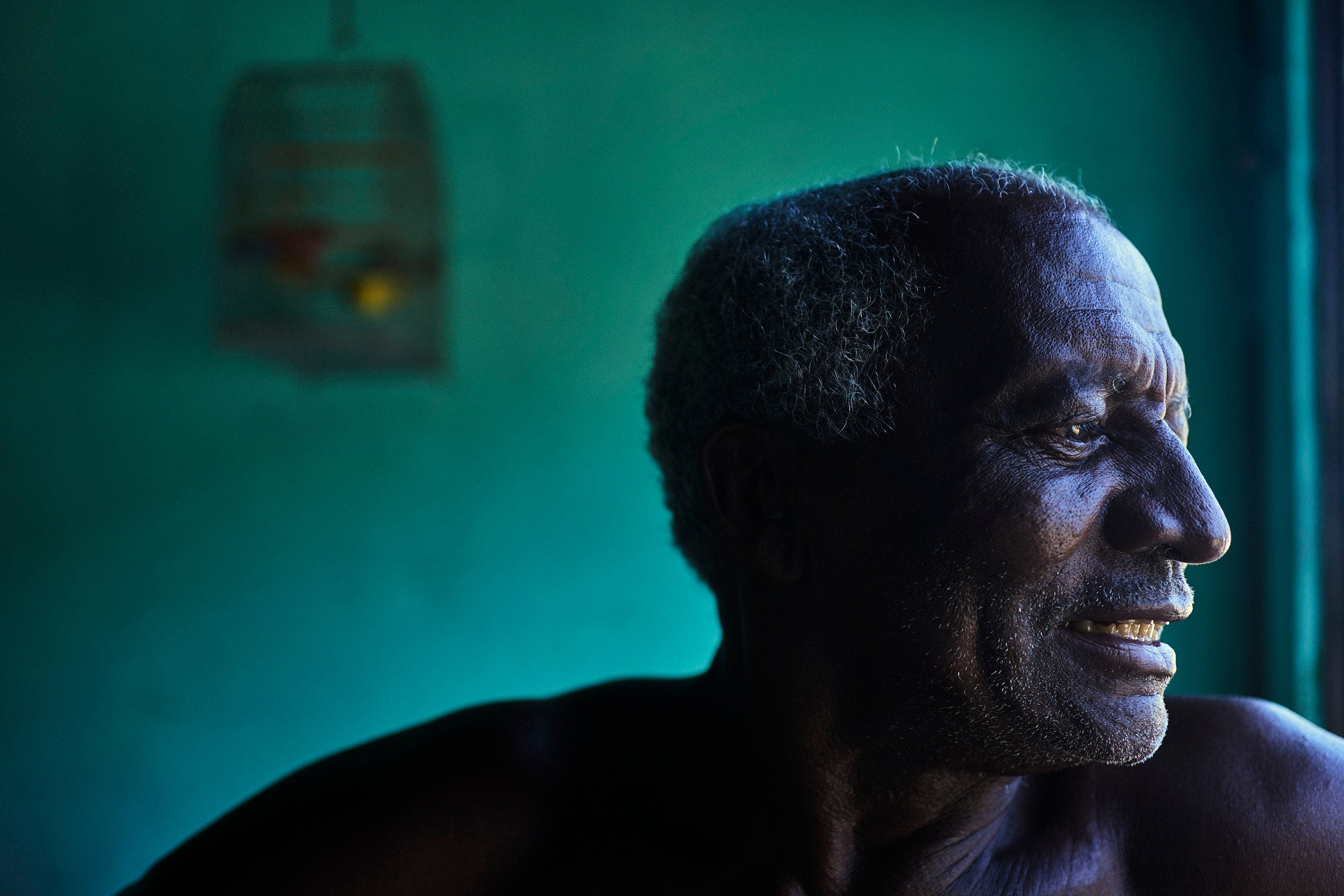
If you’ve followed me for any length of time, you know I’m a big fan of the 35mm.
I still think it’s the best all-around lens for everyday shooting, documentary photography, for photographing life as it is.
Recently in Brazil, though, I’d been traveling with my camper and photographing events, festivals, so I’ve been reaching for a 24–70 much more. The reason is simple: I’m never far from my car. The lens is more flexible. And… I don’t need to be discreet. I’m in places where people expect to be photographed, and that extra reach outweighs the need to stay unnoticed or carry a lighter setup. I’ve also been working differently: less wandering the streets for hours, more strategic, more intentional, because I’m photographing specific events.
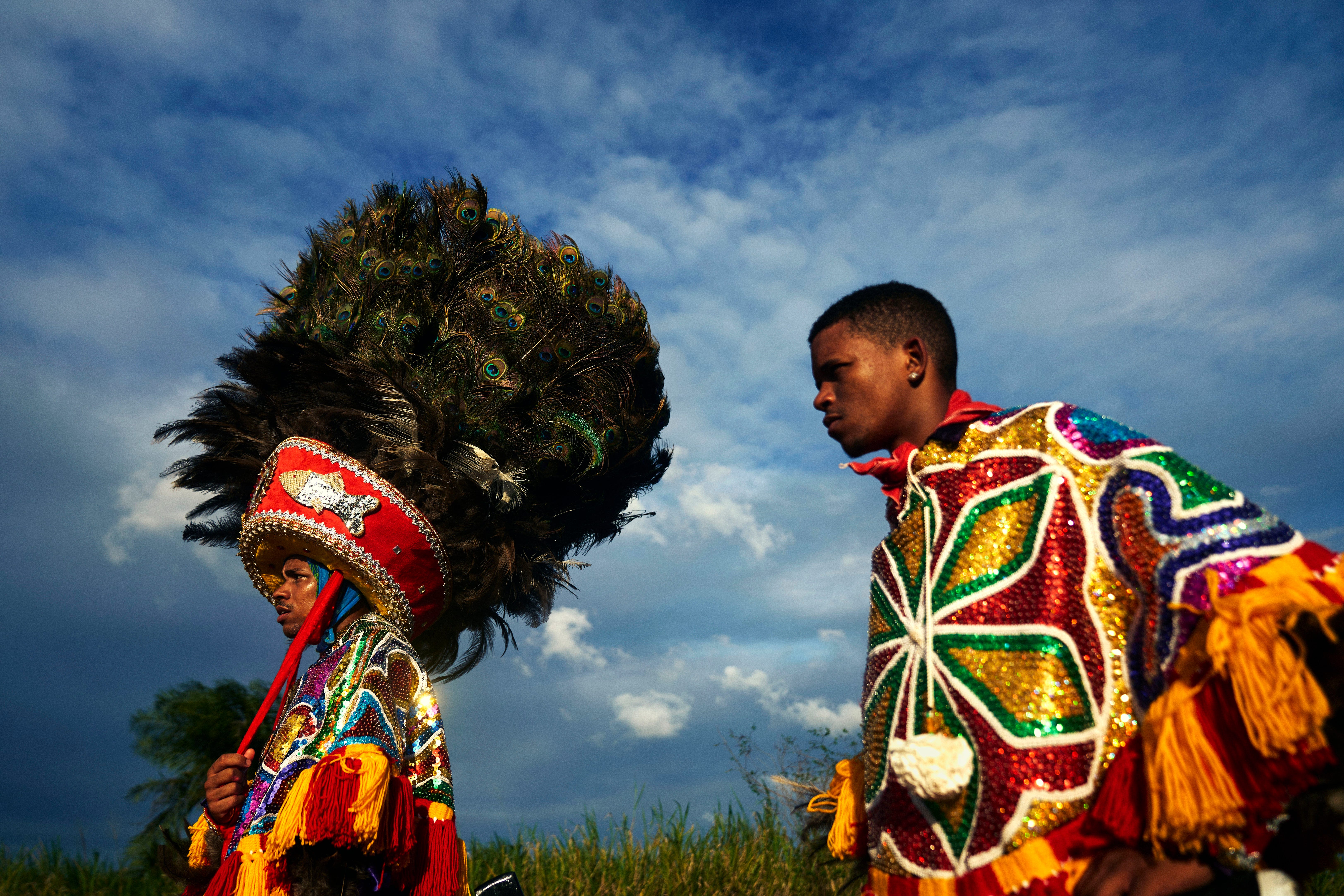
I’d say 80 to 90% of photographs can be made with a setup like that. No issues at all. I’m confident in saying this especially after I recently played around with a 200–400mm equivalent during the last Carnival. I thought it might open up new possibilities, but for the most part, it really didn’t make much sense. I was mostly stepping back to make images I could have made with my 24–70 anyway.
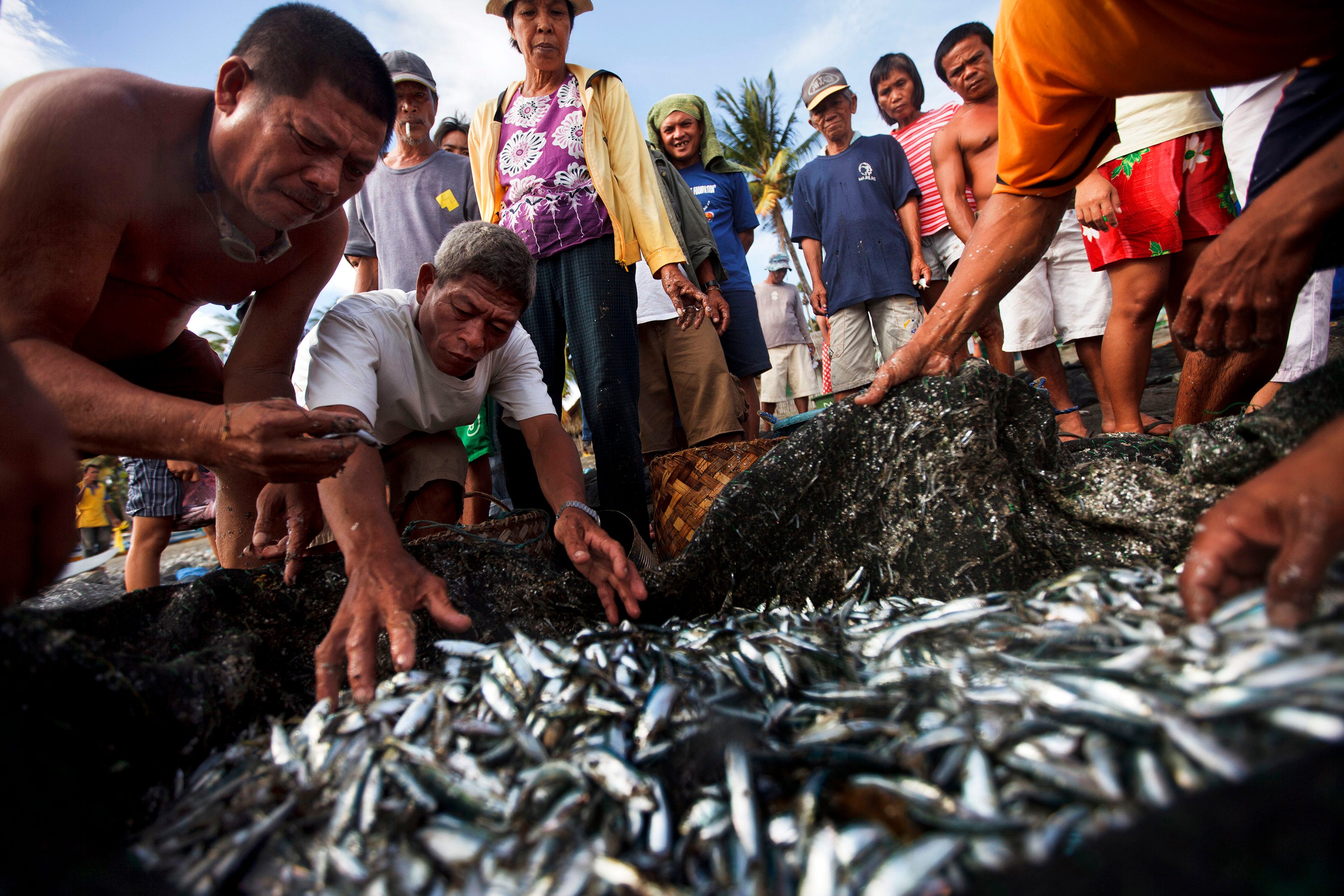
But, but, but… there are specific situations where other lenses earn their place.
A few years back, I had a 16–35mm f/2.8, and I went through a phase of being obsessed with shooting wide. I wanted to be right there inside the scene, completely immersed in the action, almost to an extreme. Some of my images genuinely benefited from that wider perspective, especially in tighter spaces and trickier angles where a 35mm wouldn’t have been quite enough.
There’s a big caveat, though. Once you go really wide, distortion becomes much more apparent.
I remember a veteran photographer (and a bit of a photographer legend) friend of mine, Michael Amendolia, looking at some of those images I was so proud of and telling me that the extreme wide-angle look actually pulled him out of the scene. He was too aware of the effect itself and that took away from the immersive feeling. At the time, that annoyed me. But he was right.
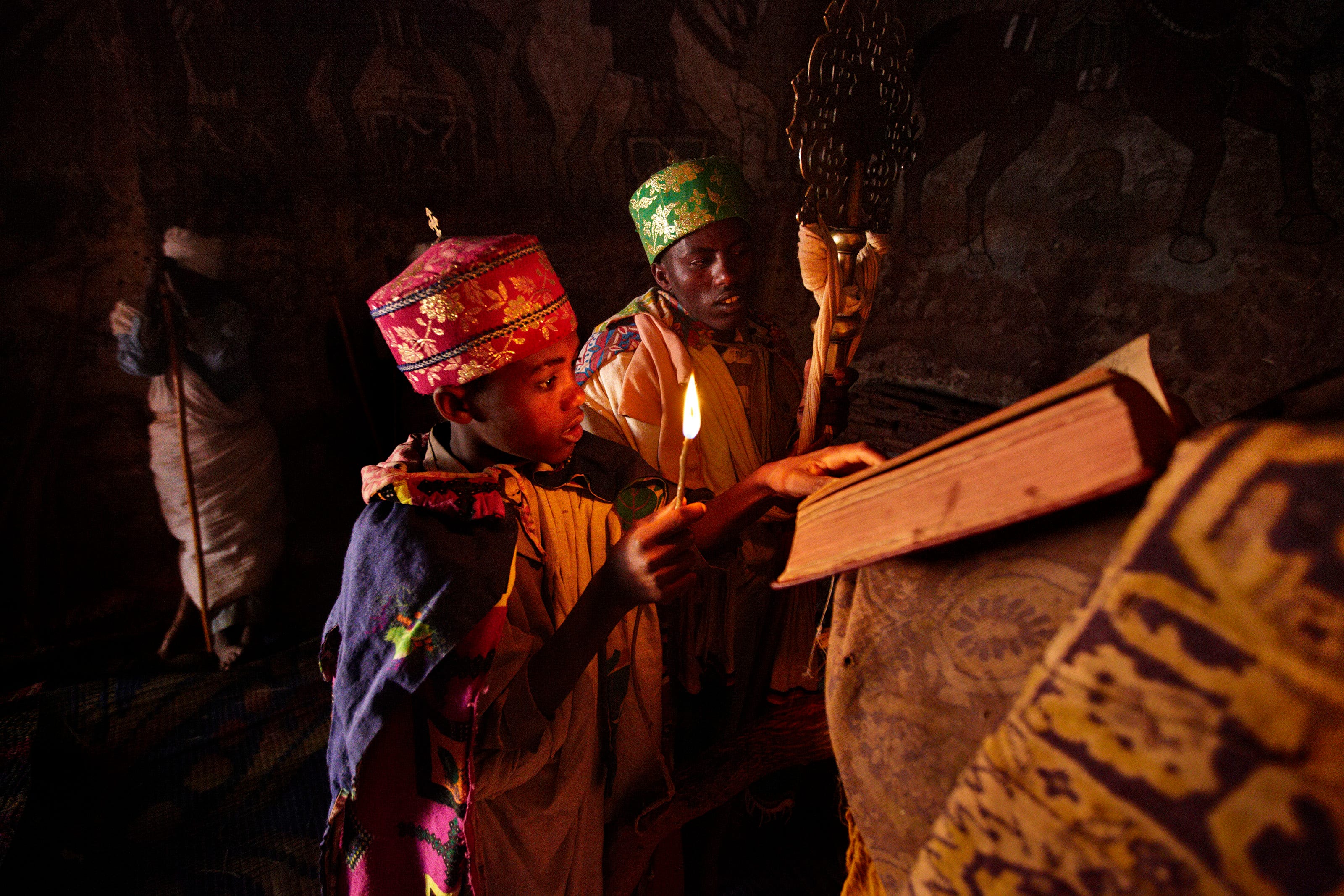
I went back through many of those images, and yes, you can correct distortion in Lightroom or almost any editing software. But once you do, the image often ends up looking close to what a less extreme lens would have produced anyway.
This doesn’t mean I stopped using the lens. I still used it for a couple more years. It was especially helpful inside the tight rock churches in Ethiopia. But I became much more conscious of distortion and how it affected the image. I started to anticipate the adjustments I’d need to make later in post, and how much space I’d lose as a result.
Now the other extreme…
The first time I got a 100–400 was for a trip to Africa in my Landrover, a relevant detail, because I would never take that big, heavy lens if I were backpacking. I barely used it for most of the trip, but one day in Mauritania I found the perfect use for it: a camel race.
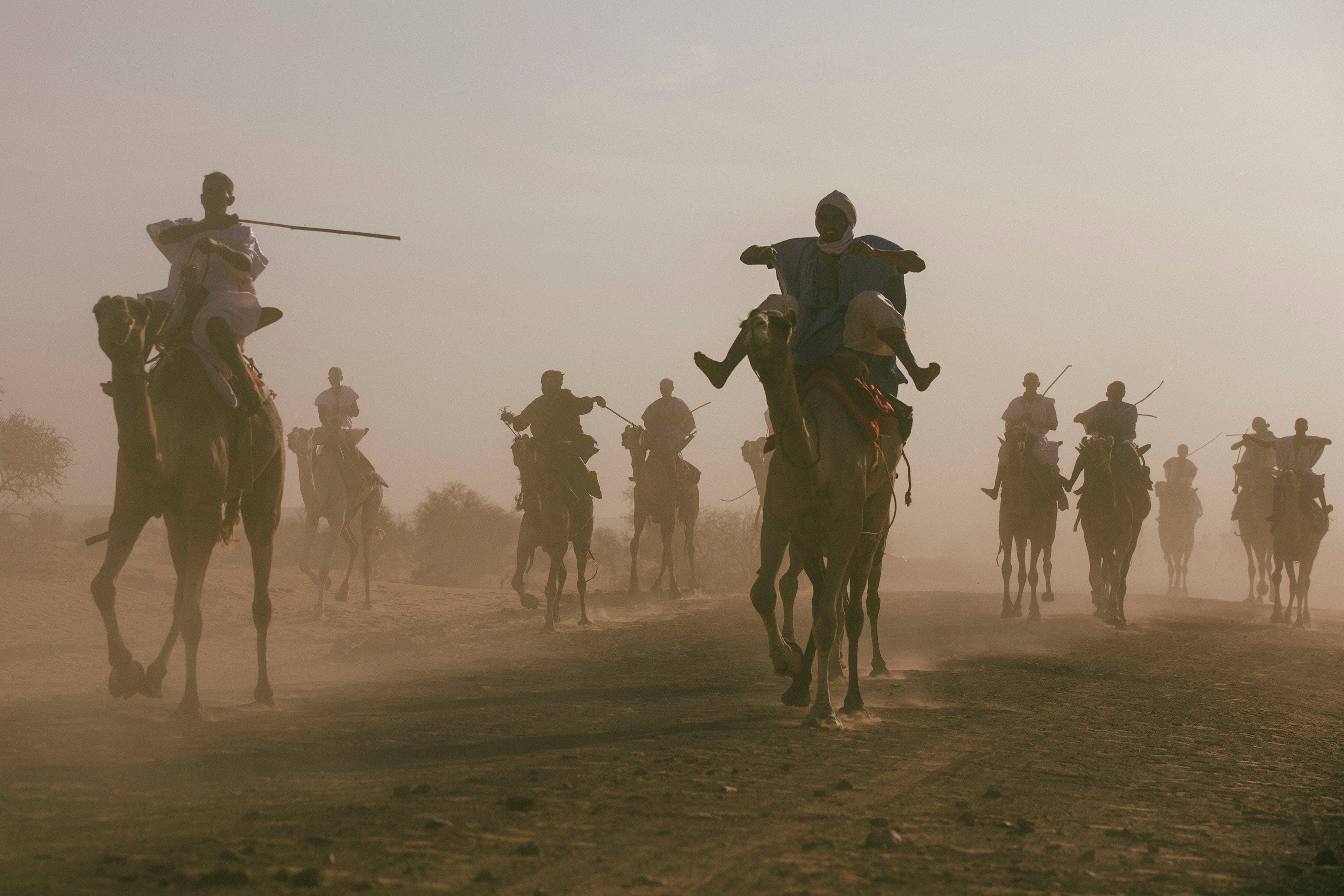
The lens let me capture the action from a distance while still making the scene feel immersive. And… I had enough distance to avoid getting trampled. This isn’t a surprising use case, but there’s just no other way to make images like the one above.
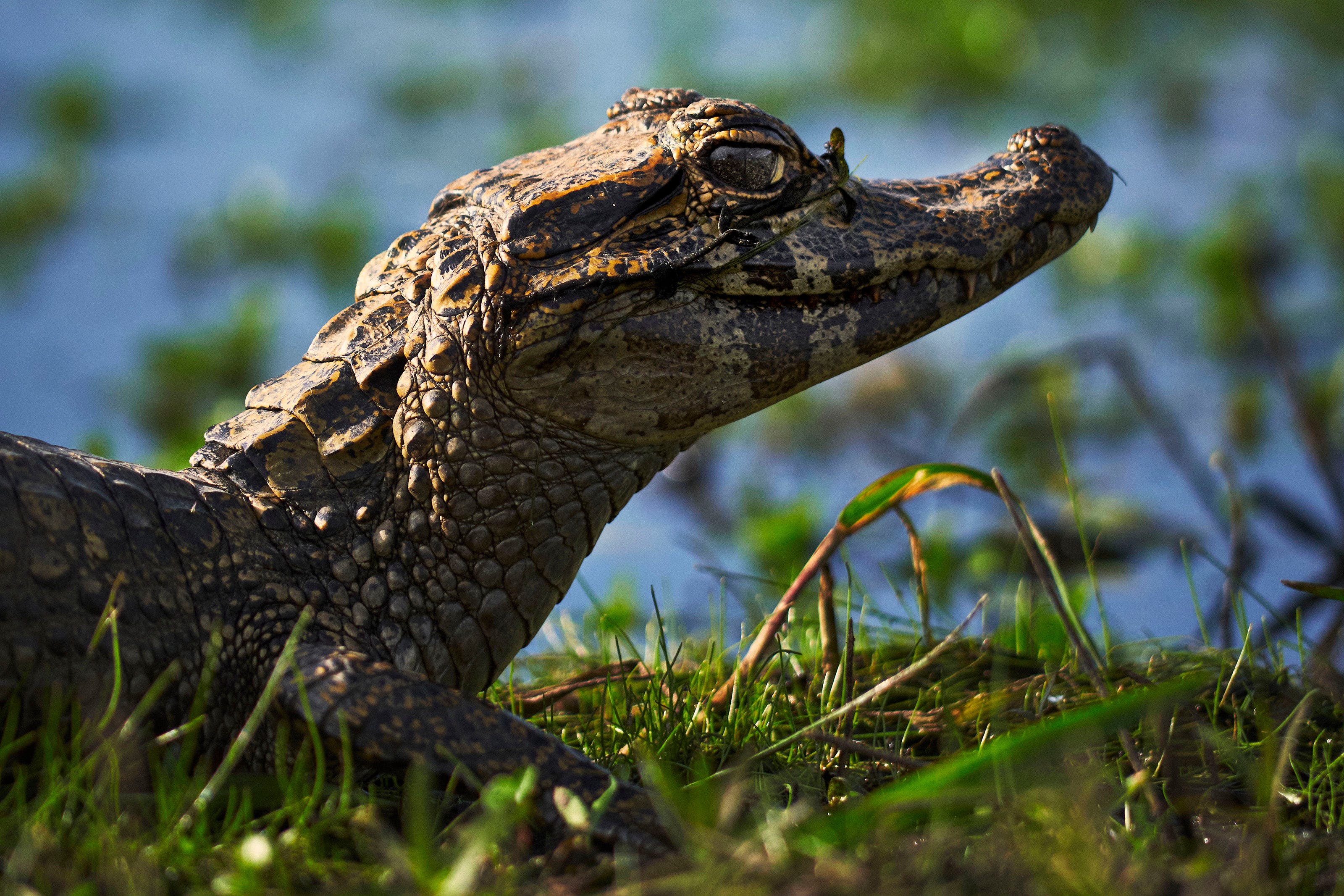
Another pretty obvious case where a long lens is essential is wildlife. You simply can’t get close to most animals without one. Want to photograph them? I’d say don’t even bother without something that reaches at least 400mm.
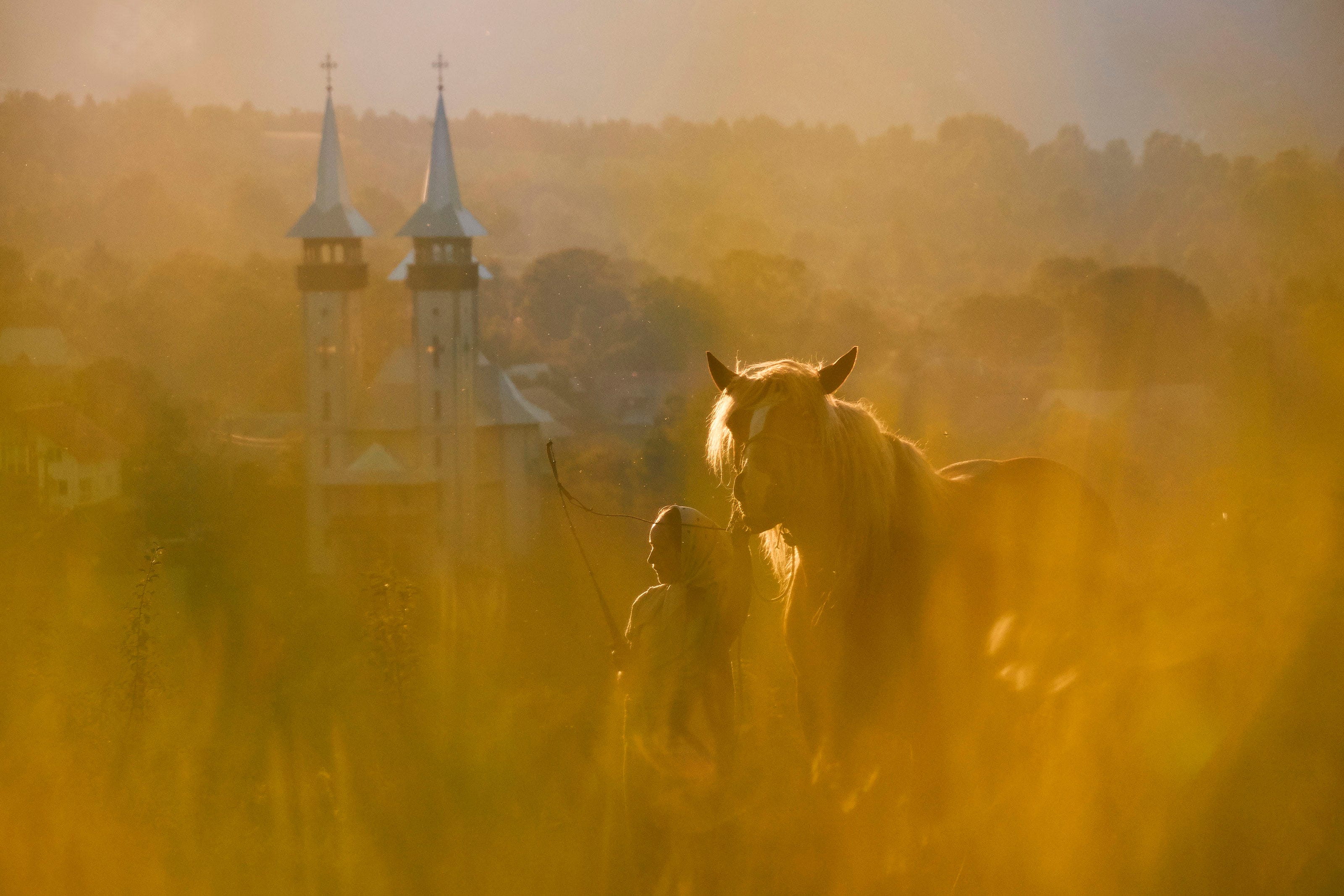
But here’s a less obvious, more creative use. When I shot a campaign for Panasonic in Romania, I wanted to photograph a girl and her horse at sunset. A standard lens would have made the image feel ordinary. Instead, I used a 200–800mm (closer to the 800mm end) equivalent on a micro four-thirds camera and shot through tall grass right in front of the lens. This created an extreme blur that appears like a soft yellow veil in front of the subject.
There was extreme compression too. You can see in the image above that the church towers, an important visual cue here, seem like they were right behind the girl and the horse. This was not the case in reality; the lens is responsible for that. The blur and the compression turned a straightforward portrait into something dreamlike and a strong sense of place (the church towers).
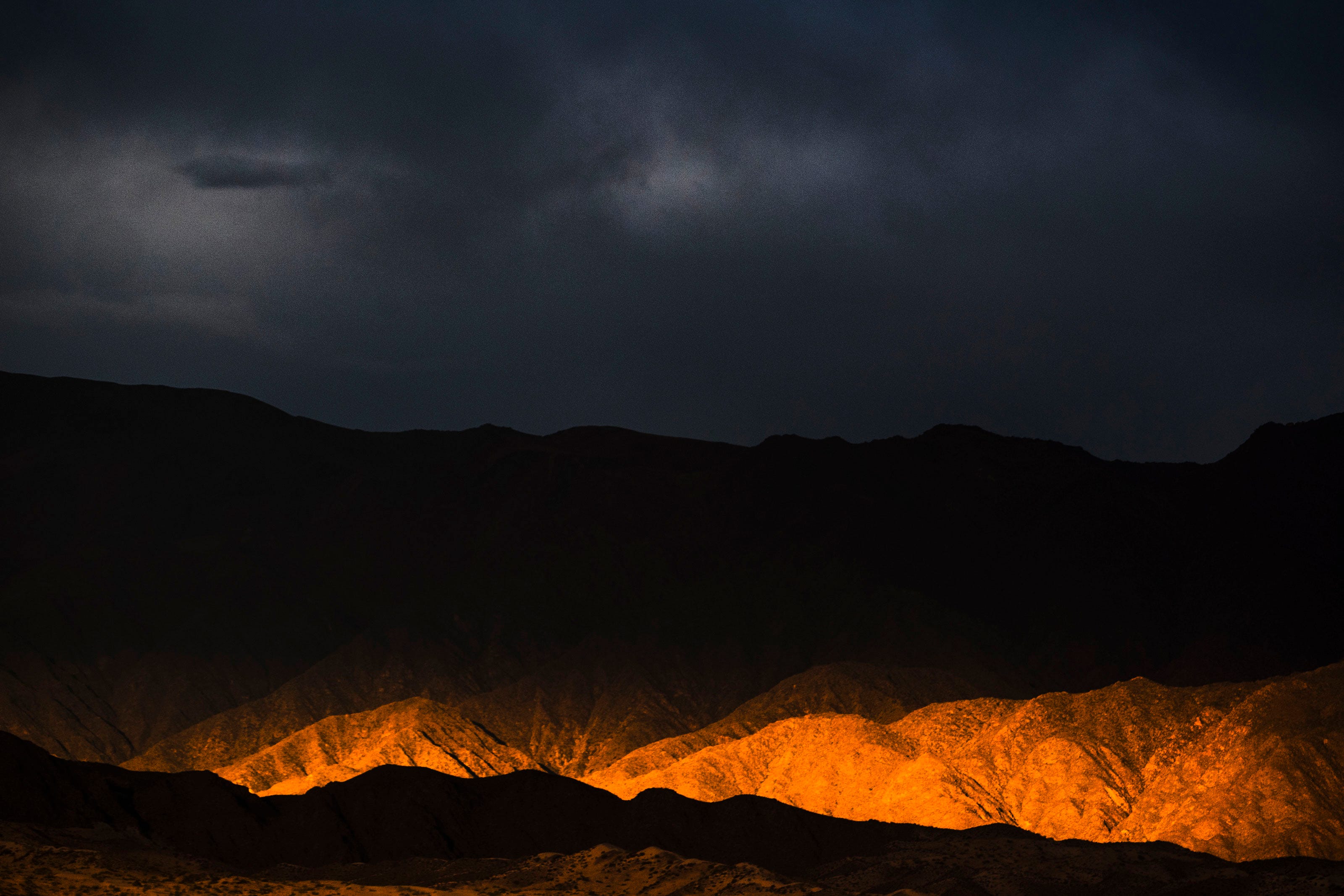
Another use of long zooms that may be less expected is for landscapes. They’re great for isolating distant mountains, compressing perspective as I did with the girl and the horse image, and just stripping scenes down to something minimal and graphic.
The very wide and the very long lenses are niche tools. They’re fun, often expensive, and they create a distinct visual language: blurs, compression, and even intentional wide-angle distortion.
Do I use them a lot? No. Am I glad I have them? Sure. Could I do without them? Also yes. If I’m being completely honest, I would not take them with me if I were not traveling in a camper. Since I am, I have a special box for all my gear and I dust these lenses off every now and then. If I was riding a motorbike or using a small car or public transport, I’d stick to the 35mm and/or the 24–70mm.
Having said all this, I made this article because the lens question never really goes away. People keep asking it, and I think they always will.
Interestingly, AI hasn’t solved this one. It still can’t convincingly simulate different focal lengths.
Believe me, I’ve tried. The physics of how a lens renders a scene remain stubbornly analog, at least for now.
I’d love to get your thoughts. Which niche lens have you used that you genuinely appreciate, and what did it let you do that nothing else could?
I have a full frame Nikon Z camera. I do have their wonderful 35mm lens. I've found that, for me, I use it only for specific situations like portraits (it's great for that). It's too limiting as a walk-around lens. Probably because I shoot more landscapes than people scenes. The other thing is that the camera came with a high quality 24-70mm, which I ended up selling and replacing with their no less high quality 24-120mm f/4. Much more flexible; I can get shots like you would with the lower end of a 100-400mm.
Lastly, I recently coughed up for the 100-400 and a teleconverter that turns it into a 200-800 (losing a couple of stops). I got it for the total solar eclipse in the Mediterranean next year, but I'm falling in love with the capabilities of this setup. But of course, it's not a walk-around lens. Long, heavy, hard to hand hold, wants a tripod with a gimbal.
As for the "every camera is good enough": I agree to an extent. And of course, the best camera is always the one with you, which is usually a phone, which also gets decent photos. But I appreciate the rich options in my camera for two reasons: they let me optimize for my own preference, like choosing the way it exposes and focuses (which I rarely deviate from); and they let me optimize for convenience, like setting separate buttons for focus and exposure (which I never deviate from). So it's not about having many options, it's more about having the options I want.
Thanks for sharing your thoughts Mitchell. I have never tried those long lenses you have but I have my fair share with the wide angle ones. I would say that my favourite FOV is the 35mm and the reason is that it was the first lens that actually forced me to think differently and helped me evolve. Before owning this lens (it was the 22mm f2 for the EOS M mount) I was only using zoom lenses. The fact that I had the option to zoom didn't push me to think outside of the box. I was making OK photographs but nothing worth revisiting. Now even if I use a zoom lens again the mindset has shifted and I owe this to the 22mm (35mm full frame equivalent). Currently I own the Nikon Zf with the 40mm and the 28mm. Light, cheap lenses but capable of producing great photographs.